Engine Propeller Shaft
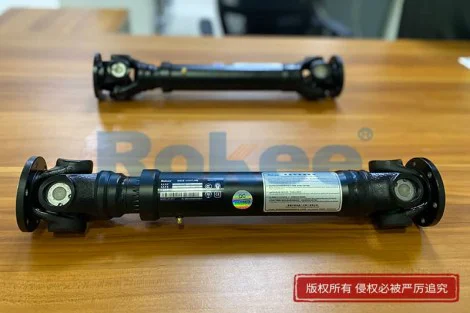
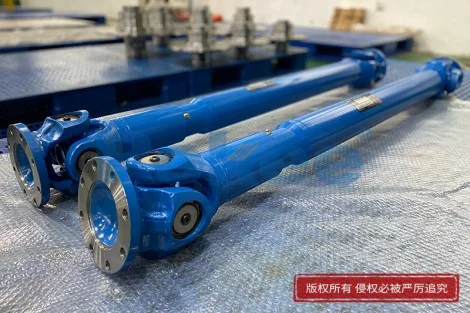
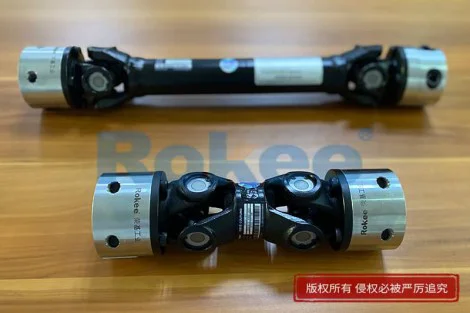
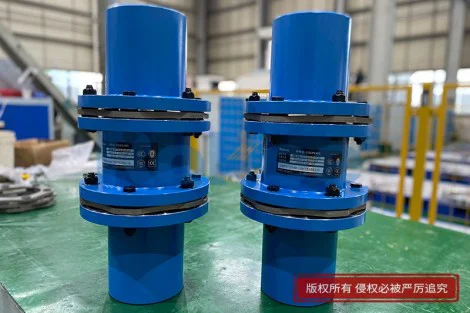
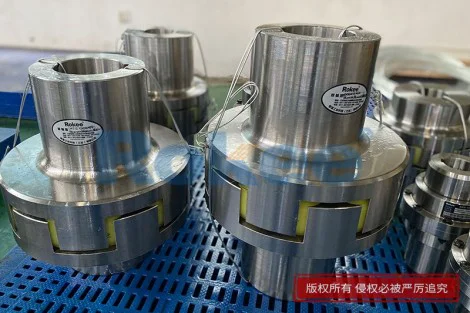
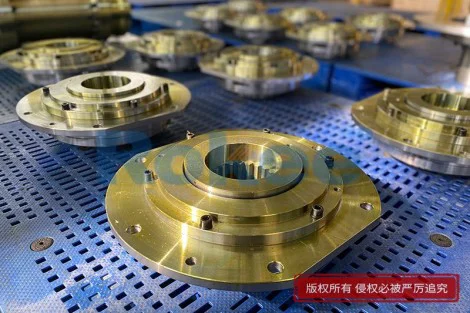
Rokee is a manufacturer of engine propeller shaft from china, we can provide non-standard custom engine propeller shaft based on parameters or drawings supplied by customers, with export support available.

As an indispensable core component of power transmission systems in marine propulsion and special power machinery, the engine propeller shaft undertakes the critical task of converting the rotational torque generated by the main engine into effective thrust for equipment operation. Serving as the rigid and flexible connection bridge between the power source and the propeller, this mechanical component determines the power transmission efficiency, operational stability and service safety of the entire power system. Unlike conventional transmission structures, the propeller shaft works in complex and changeable working environments, enduring long-term alternating loads, torsional vibration, environmental corrosion and dynamic alignment deviations. Its structural design, material performance, manufacturing precision and maintenance status directly affect the working state of marine vessels and power equipment, making it a key research and optimization object in mechanical engineering and marine technology fields.


The core functional logic of the engine propeller shaft lies in continuous and stable torque transmission. The power generated by the engine, whether from diesel engines, gas turbines or electric power units, is output in the form of rotational motion and torque. Through the connecting flange and flexible coupling structure at the front end of the propeller shaft, the power is stably transmitted along the shaft body to the tail propeller. During the operation process, the propeller drives the fluid to generate reverse thrust, which pushes the equipment forward. Beyond basic torque transmission, the propeller shaft also bears multiple auxiliary functional responsibilities. It can absorb and buffer the vibration and impact generated by engine operation and propeller rotation, compensate for the tiny displacement and angle deviation caused by equipment operation and hull deformation, and maintain the dynamic balance of the entire transmission system. In long-term continuous operation, these comprehensive functions ensure that the power system avoids power loss, mechanical friction damage and operational failure caused by rigid connection errors.
The overall structural design of the engine propeller shaft follows the dual principles of high strength and lightweight optimization. The main body of most propeller shafts adopts a hollow cylindrical tubular structure, which is a mature design formed after repeated mechanical verification and engineering practice. Compared with solid shaft bodies, the hollow structure can effectively reduce the overall weight of the transmission component, reduce the rotational inertia during operation, and lower the energy consumption required for engine driving. Meanwhile, the hollow tubular structure retains excellent torsional resistance and bending resistance, which can fully withstand the high torque load output by the engine during high-speed operation. The complete propeller shaft assembly is not a single simple component but a systematic combination of multiple functional parts. It includes the main shaft tube, connecting flanges, flexible joints, support bearings, sealing structures and buffer coupling components. All parts cooperate closely to form a complete power transmission closed loop.
Flexible joints represented by universal joints are key auxiliary structures to ensure the stable operation of the propeller shaft. In the actual working process of equipment such as ships, the hull will produce tiny deformation and jitter due to water wave impact and load changes, and the engine base and propeller working end will have real-time dynamic offset in angle and distance. Rigidly connected shafts will produce huge structural stress under such offset conditions, which will lead to accelerated wear of parts and even shaft body fracture in severe cases. The flexible joint structure can effectively adapt to the small-angle deflection and axial displacement of the transmission system, absorb the dynamic deviation generated during operation, eliminate concentrated stress, and ensure that the torque can be transmitted efficiently without loss under variable working conditions. The matching center support bearings play a role in stabilizing the rotation trajectory of the shaft body, reducing the radial runout of the shaft during high-speed rotation, and minimizing mechanical vibration and noise caused by eccentric rotation.
Material selection is the core foundation to determine the service performance and service life of the engine propeller shaft. The working environment of the propeller shaft is extremely harsh for a long time. Marine working conditions are accompanied by high humidity, salt spray corrosion and water immersion erosion, while high-speed operation will bring continuous alternating torsion, bending load and friction impact. Therefore, the shaft body materials are mostly high-strength alloy steel with excellent comprehensive mechanical properties. After special heat treatment processes such as quenching and tempering, these materials have high tensile strength, torsional fatigue resistance and impact resistance, and can resist structural deformation and material fatigue failure under long-term high-load operation. At the same time, the surface of the shaft body will undergo anti-corrosion and wear-resistant treatment processes to enhance its ability to resist environmental erosion and mechanical friction damage. The selection and processing of auxiliary components such as bearings and sealing rings also target the matching of high-load and high-corrosion working conditions, ensuring that the overall performance of the assembly matches the extreme working environment.
The working mechanism of the engine propeller shaft runs through the whole process of power generation to power output. After the engine is started, the crankshaft outputs stable rotational power, and the torque is transmitted to the front flange of the propeller shaft through the buffer coupling. The coupling structure can absorb the instantaneous impact force generated by engine startup and speed regulation, and avoid instantaneous overload damage to the shaft body. The shaft body drives the rear propeller to rotate at a synchronous speed through stable rotational motion, and the high-speed rotating propeller pushes the fluid to form propulsion power. During this process, the support bearings fixed on the equipment frame or hull maintain the linear rotation track of the shaft body, and the sealing structures such as the stern tube in marine equipment isolate the external fluid from the internal mechanical structure, preventing water from penetrating into the equipment interior and avoiding lubricating oil leakage, which ensures the lubrication state of the shaft body and rotating parts. The entire power transmission process realizes seamless connection from power generation to power output, and the efficient transmission rate ensures that most of the engine power is converted into propulsion power, reducing energy waste.
In actual operation, the engine propeller shaft faces multiple complex working challenges, which are also the key factors affecting its service life and operational stability. Torsional vibration is the most common operating problem. The periodic pulsation of engine power output and the uneven resistance of fluid acting on the propeller will cause the shaft body to produce regular torsional vibration. Long-term superposition of vibration will lead to material fatigue of the shaft body, crack generation and gradual expansion, and in serious cases, shaft body fracture and power system failure. In addition, dynamic alignment deviation is also a hidden danger that cannot be ignored. After long-term operation, the wear of bearings and the deformation of equipment structure will lead to the deviation of the shaft body rotation center. Eccentric rotation will increase radial load and friction loss, aggravate component wear, and produce abnormal vibration and noise. Environmental corrosion is another important factor leading to the aging of the propeller shaft. Long-term exposure to humid and corrosive environments will cause surface oxidation and corrosion of the shaft body, reduce the mechanical strength of the material, and affect the overall structural stability.
Scientific daily maintenance and regular detection are essential to maintain the stable performance of the engine propeller shaft and extend its service life. Daily maintenance focuses on visual inspection and working state monitoring. Operators need to regularly observe the surface state of the shaft body to check for corrosion, wear, deformation and crack marks, and monitor the vibration and noise changes during the operation of the transmission system. Abnormal jitter and harsh noise are usually early warning signals of shaft body deviation, bearing wear or flexible joint damage. Regular professional detection includes precision detection of shaft body straightness, dynamic balance calibration, wear detection of bearings and flexible components, and performance inspection of sealing structures. For the tiny deformation and wear found in the detection, timely calibration and replacement are required to avoid the expansion of minor faults into major failures. Lubrication maintenance is also crucial. Keeping the bearings and rotating friction parts in a good lubrication state can effectively reduce mechanical friction loss, slow down component wear, and reduce the operating load of the propeller shaft.
With the continuous progress of mechanical manufacturing technology and intelligent detection technology, the design and application of engine propeller shafts are also constantly optimized and upgraded. Modern manufacturing processes adopt fine forging and precision machining technologies to improve the overall processing precision of the shaft body, reduce the structural error of the shaft itself, and lay a foundation for low-vibration and high-efficiency operation. The optimized flexible connection structure and damping design can further absorb operating vibration and impact, improve the stability of power transmission. In terms of material innovation, new high-strength corrosion-resistant alloy materials and composite coating technologies are gradually applied to propeller shaft manufacturing, which significantly improve the fatigue resistance and environmental adaptability of components. At the same time, the combination of intelligent monitoring technology and propeller shaft operation enables real-time collection of operating data such as shaft body vibration, temperature and rotational speed. Through data analysis and early warning, potential faults can be accurately predicted, realizing predictive maintenance and greatly improving the operational safety and reliability of the power transmission system.
The importance of the engine propeller shaft in the power propulsion system is self-evident. As a seemingly conventional but technically sophisticated core component, its performance stability determines the operating efficiency and safety of the entire equipment. Whether in civilian marine transportation, special engineering equipment or industrial power machinery, the propeller shaft undertakes the important mission of power transmission. Its structural design, material performance, manufacturing precision and maintenance level are related to the energy utilization efficiency and long-term operational reliability of the equipment. In the future, with the continuous development of high-precision manufacturing, new material technology and intelligent monitoring technology, the engine propeller shaft will develop towards higher precision, higher durability, lower energy consumption and intelligent operation, providing more stable and efficient technical support for the upgrading of power propulsion systems in various fields. The continuous optimization of this basic mechanical component also reflects the continuous progress of modern mechanical engineering technology in pursuing efficiency, stability and safety.
« Engine Propeller Shaft » Update Date: 2026/7/16
Contact
If you require custom machined couplings, please contact Rokee via the contact information below for inquiries.
Email: https://www.gshmdpq.com
 WeChat