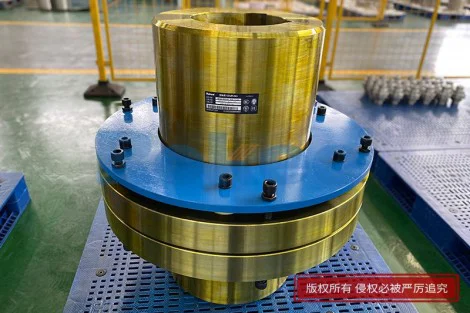
Full Flex Gear Coupling
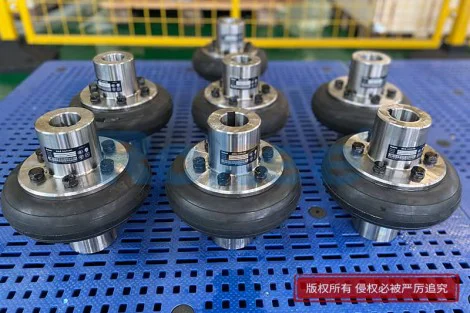
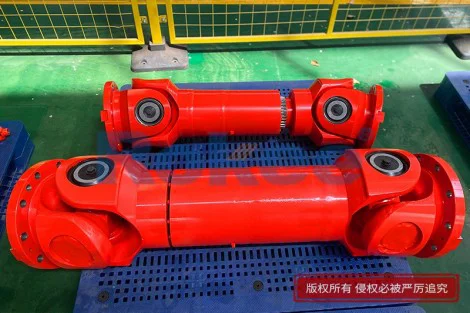
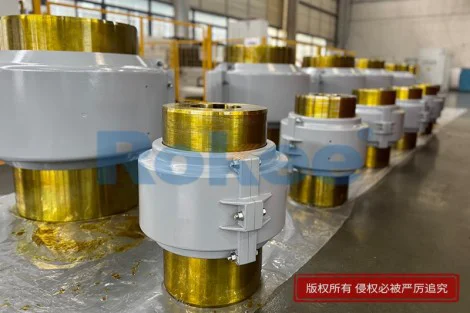
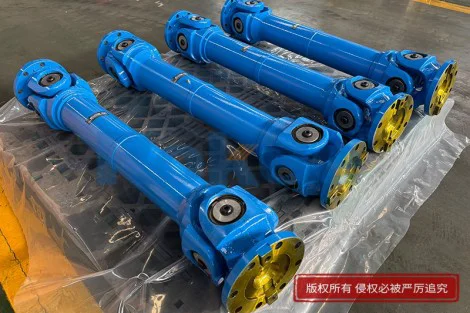
Rokee is a manufacturer of full flex gear coupling from china, we can provide non-standard custom full flex gear coupling based on parameters or drawings supplied by customers, with export support available.
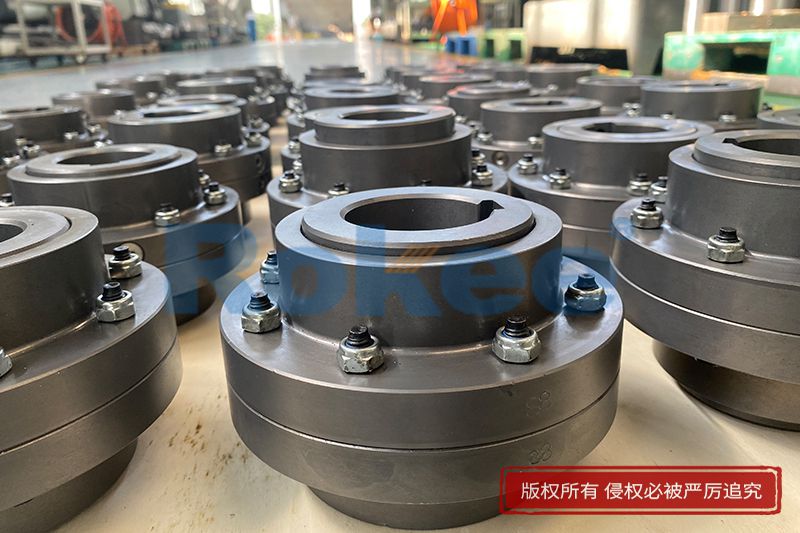
In the complex and dynamic operating environment of modern industrial transmission systems, the stability, flexibility and durability of connecting components directly determine the overall operating efficiency and service life of mechanical equipment. As a core power transmission component widely used in heavy-duty, high-speed and continuous operating scenarios, full flex gear coupling has become an indispensable key part of mechanical transmission structures by virtue of its unique double-engagement gear meshing structure and comprehensive displacement compensation capability. Different from single-flex coupling structures with limited compensation performance, the full flex gear coupling adopts a complete flexible meshing design on both driving and driven ends, which can effectively cope with various shaft misalignment problems caused by installation errors, equipment operation vibration, thermal expansion and structural aging, and maintain efficient and stable torque transmission in long-term cyclic working conditions. Its excellent comprehensive mechanical properties make it widely applied in various industrial fields that require high-precision and high-stability power transmission, laying a solid foundation for the safe and efficient operation of mechanical systems.
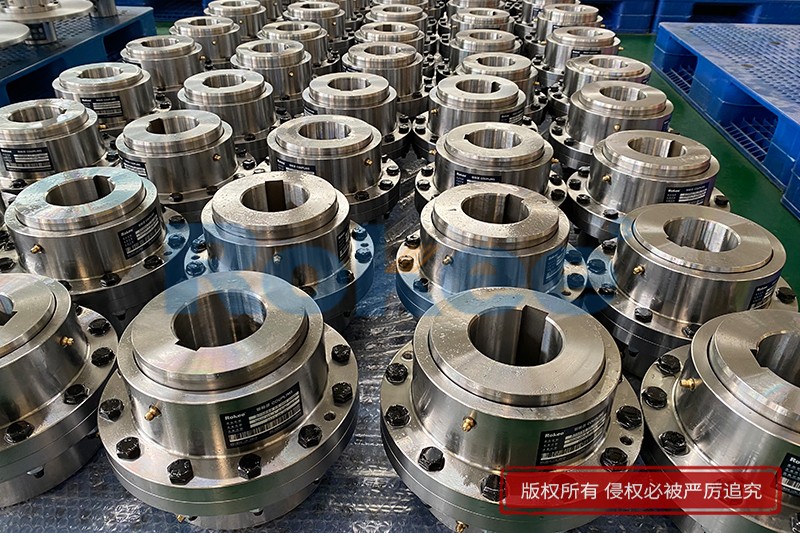
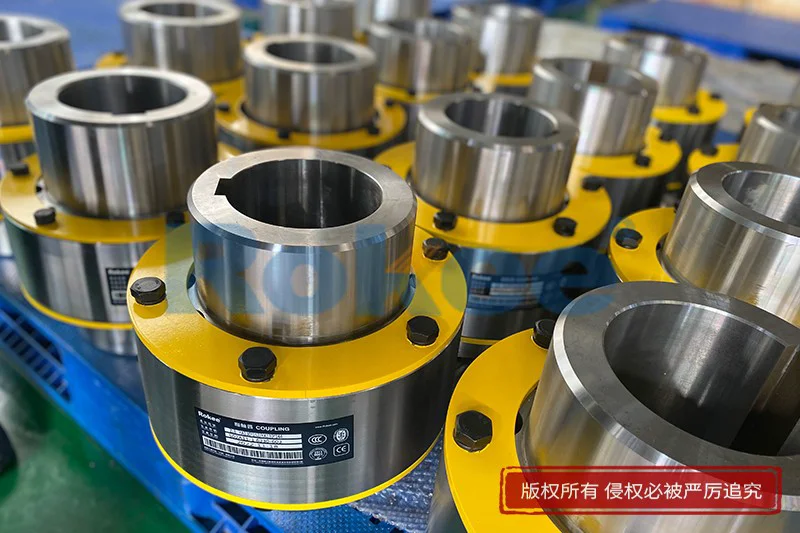

The basic structural design of full flex gear coupling is derived from the optimized meshing principle of internal and external gears, forming a scientific and reliable transmission structure with double flexible engagement. The whole structure is mainly composed of two external gear hubs and an integral internal gear sleeve, without redundant rigid limiting structures, which endows the coupling with sufficient flexible movement space during operation. The external gear teeth on the two hubs adopt a crowned tooth profile design, which is the core structural optimization of full flex gear coupling compared with traditional straight-tooth gear couplings. This special curved tooth profile enables the gear teeth to produce gentle sliding and adaptive fitting during meshing, rather than rigid contact and friction. When the transmission system has axial, radial or angular misalignment between the two connected shafts, the crowned gear teeth can automatically adjust the meshing angle and contact area, realize micro relative displacement between the gear hub and the inner gear sleeve, and effectively compensate for various displacement deviations of the shaft system. The double-sided flexible meshing structure enables both ends of the coupling to have independent compensation capacity, which solves the problem that single-flex couplings can only achieve one-way limited compensation, and greatly improves the adaptability of the coupling to complex shaft misalignment conditions.
The working mechanism of full flex gear coupling follows the basic mechanical principle of gear meshing torque transmission, and realizes flexible and efficient power transmission through precise structural coordination. In the operating state, the driving shaft drives the connected gear hub to rotate synchronously, and the external gear teeth of the hub mesh with the internal gear teeth of the middle sleeve to transmit rotational torque and mechanical power. Subsequently, the inner gear sleeve drives the other gear hub and the connected driven shaft to operate synchronously, completing the whole power transmission process. Different from rigid transmission parts that pursue absolute synchronous fixation, the full flex gear coupling reserves reasonable meshing gaps in the gear tooth matching design. These gaps cooperate with the flexible characteristics of the crowned tooth profile to form a buffer space for dynamic operation. In the process of equipment start-up, shutdown, load switching and variable-speed operation, the meshing gaps can effectively absorb instantaneous torque impact and mechanical vibration, avoid rigid stress concentration between shafts, and protect the whole transmission system from fatigue damage caused by frequent impact loads. This flexible transmission mode not only ensures the high efficiency of power output, but also greatly improves the operational stability of the equipment in variable working conditions.
One of the most prominent performance advantages of full flex gear coupling is its ultra-high torque transmission density and efficient power transmission capacity. Benefiting from the simultaneous meshing of multiple groups of internal and external gear teeth during operation, the load can be evenly distributed on each meshing gear tooth, avoiding local overload and stress concentration. This uniform load distribution characteristic enables the coupling to bear large torque and transient peak load in a compact structural volume, realizing high-power transmission in a limited installation space. In actual industrial operation, the power transmission efficiency of full flex gear coupling can reach an extremely high level, with almost no ineffective power loss in the transmission process. This efficient transmission performance effectively reduces the energy consumption of mechanical operation, improves the overall energy utilization rate of equipment, and creates obvious energy-saving benefits for long-term continuous industrial production. Whether it is steady-state operation under constant load or dynamic operation under alternating load, the coupling can maintain stable power output without obvious power attenuation or transmission jitter.
The comprehensive misalignment compensation capability of full flex gear coupling is the core reason why it is favored in complex industrial working conditions. In practical mechanical installation and operation, it is impossible to achieve absolute perfect alignment of two connecting shafts. Minor parallel offset, angular deflection and axial displacement are inevitable, and these tiny deviations will be continuously amplified with the operation of the equipment, resulting in increased transmission vibration, accelerated component wear, and even shaft system deformation and equipment failure in severe cases. The full flex gear coupling can simultaneously compensate for axial displacement, radial offset and angular misalignment in three dimensions. The double flexible engagement structure allows the two gear hubs to produce independent micro displacement and angular deflection relative to the middle sleeve. The crowned tooth profile can always maintain uniform contact and stable meshing under misalignment conditions, prevent tooth jamming, abnormal wear and transmission stagnation, and eliminate additional bending stress and shear stress generated by shaft misalignment in the transmission system. This all-round compensation performance effectively solves various operational failures caused by shaft misalignment, and greatly improves the operational reliability and environmental adaptability of mechanical equipment.
In terms of operational stability and anti-fatigue performance, full flex gear coupling shows excellent adaptability to long-term and cyclic industrial operation. Industrial mechanical equipment often needs to work continuously for a long time, and faces complex working conditions such as frequent start-stop, load fluctuation and speed switching, which put forward high requirements on the fatigue resistance and impact resistance of connecting components. The gear tooth structure of full flex gear coupling is optimized for dynamic load operation, and the curved tooth surface can disperse instantaneous impact force when bearing torque shock, avoid local stress fatigue of gear teeth, and effectively delay the wear and aging speed of components. Meanwhile, the overall structural rigidity of the coupling is reasonably matched with flexible performance. It maintains sufficient structural stability during high-speed operation, will not produce excessive deformation and radial runout, and ensures the rotational accuracy of the shaft system. In long-term continuous operation, the coupling can always maintain stable meshing state, reduce the generation of mechanical vibration and noise, and provide a stable operating environment for the whole mechanical system.
The structural design of full flex gear coupling also takes into account the convenience of installation, maintenance and later operation, with high practical industrial value. The overall structure is compact and standardized, with a simple assembly form, which is convenient for staff to complete rapid installation, disassembly and debugging in complex production sites. Compared with flexible couplings such as diaphragm couplings and rubber couplings, the full flex gear coupling has stronger structural durability and lower aging failure rate, and is not easy to be affected by temperature changes, medium corrosion and long-term extrusion deformation. In daily use, the coupling only needs regular lubrication maintenance to keep the gear meshing surface in a good friction state, effectively reducing tooth surface wear and extending the service life of components. The simple maintenance mode and long service cycle greatly reduce the daily operation and maintenance cost of enterprise equipment, avoid frequent component replacement and equipment shutdown maintenance, and improve the continuous operation rate and production efficiency of industrial production lines.
Full flex gear coupling has extremely wide industrial application scenarios, covering almost all mechanical transmission fields that require heavy-load, high-speed and stable transmission. In heavy machinery and engineering equipment, it is used to connect power components such as motors, reducers and transmission shafts, and stably transmit high power to meet the operation requirements of heavy-load equipment. In material handling and logistics transmission equipment, the coupling can adapt to frequent start-stop and alternating load working conditions, ensure the stable operation of transmission equipment, and avoid material transmission jitter and equipment failure. In industrial production equipment such as fans, pumps and compressors, its excellent vibration absorption and misalignment compensation performance can effectively reduce the operational vibration of equipment, reduce noise pollution, and improve the operating stability of fluid transmission equipment. In addition, it also plays an important role in metallurgy, chemical industry, building materials and other industrial fields with harsh working conditions, resisting the adverse effects of dust, high temperature and continuous operation on transmission components, and ensuring the long-term stable operation of production equipment.
Compared with other types of flexible couplings, the comprehensive performance advantages of full flex gear coupling are very prominent. Elastic element couplings represented by rubber and polyurethane couplings have good vibration absorption performance, but their load-bearing capacity is limited, and they are easy to age and deform under high load and high temperature conditions, with short service life and unsuitable for heavy-load industrial scenarios. Diaphragm couplings have high precision, but their displacement compensation range is small, and they are poor in adaptability to large misalignment and impact load, and the processing and maintenance cost is high. Ordinary single-flex gear couplings only have single-sided flexible compensation ability, with limited compensation range, and cannot cope with complex multi-dimensional shaft misalignment problems. In contrast, full flex gear coupling combines high load-bearing capacity, large displacement compensation range, high transmission efficiency and strong anti-fatigue performance, and has balanced comprehensive performance, which can adapt to most conventional and complex industrial transmission scenarios, and is a cost-effective and highly reliable transmission connecting component.
In the actual application process, the service life and operating effect of full flex gear coupling are closely related to standardized use and scientific maintenance. Reasonable installation and alignment can reduce the initial deviation of the shaft system and reduce the long-term wear of the coupling. Regular lubrication maintenance is crucial to the gear meshing structure. Good lubrication conditions can reduce the friction coefficient of the tooth surface, avoid dry friction and abnormal wear, and also play a role in vibration absorption and noise reduction. In addition, monitoring the operating state of the coupling in real time, regularly checking the meshing state of gear teeth and the tightness of the structure, and timely eliminating hidden dangers such as abnormal vibration and loose assembly can effectively extend the service life of the coupling and ensure the long-term stable operation of the transmission system. With the continuous upgrading of modern industrial equipment towards high speed, high load and high precision, the performance advantages of full flex gear coupling will be further highlighted, and it will occupy a more important position in the field of industrial mechanical transmission.
To sum up, full flex gear coupling relies on its unique double flexible gear meshing structure, excellent three-dimensional misalignment compensation capability, efficient torque transmission performance and durable operational stability, and has become a key basic component in modern industrial transmission systems. It not only solves various pain points in traditional transmission connection such as insufficient compensation capacity, easy wear and low transmission efficiency, but also provides reliable technical guarantee for the stable, efficient and long-term operation of mechanical equipment. With the continuous development of industrial manufacturing technology and the continuous improvement of equipment operation requirements, the structural design and processing technology of full flex gear coupling are also constantly optimized and upgraded, and its application scope and industrial value will be further expanded, bringing more stable and economical operation solutions for modern industrial mechanical transmission systems.
« Full Flex Gear Coupling » Update Date: 2026/7/17
Contact
If you require custom machined couplings, please contact Rokee via the contact information below for inquiries.
Email: https://www.gshmdpq.com
 WeChat