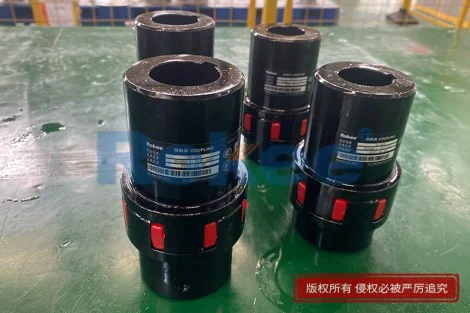
Grid Flex Coupling
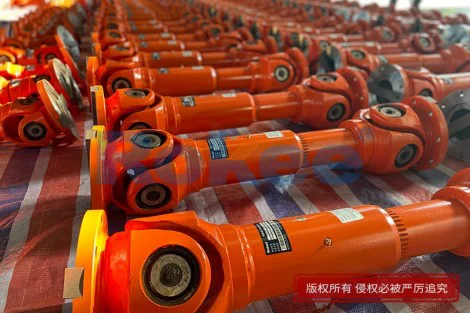
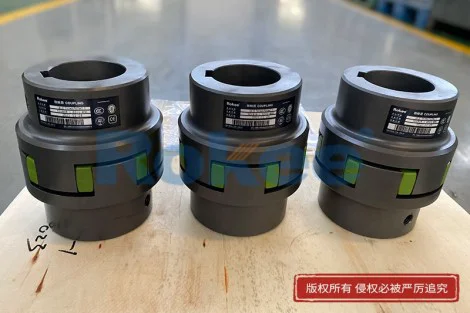
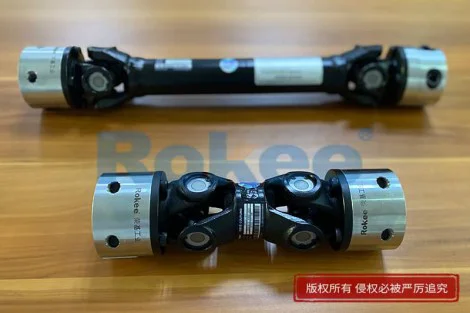
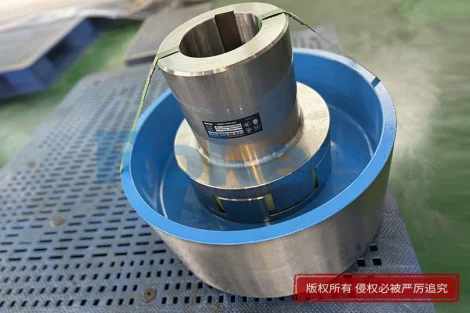
Rokee is a manufacturer of grid flex coupling from china, we can provide non-standard custom grid flex coupling based on parameters or drawings supplied by customers, with export support available.
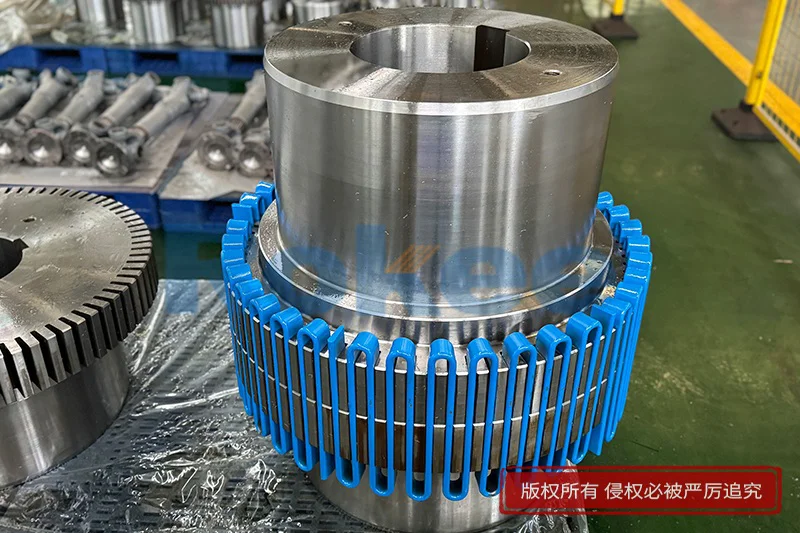
The global energy landscape is undergoing an unprecedented transformative shift, driven by the dual demands of carbon neutrality goals and sustainable energy development. Traditional power grids, which were originally designed for centralized power generation, unidirectional power transmission and fixed load operation, are facing growing operational challenges amid the large-scale integration of distributed renewable energy sources such as wind and solar power. The intermittent, random and fluctuating characteristics of new energy generation, coupled with the gradual diversification of end-user power consumption behaviors, have significantly reduced the stability margin and operational flexibility of modern power systems. In this context, grid flex coupling has emerged as a core technical and operational paradigm to solve the adaptability contradiction between traditional grid architectures and new energy power systems, becoming a key support for building intelligent, efficient, resilient and low-carbon modern power grids.
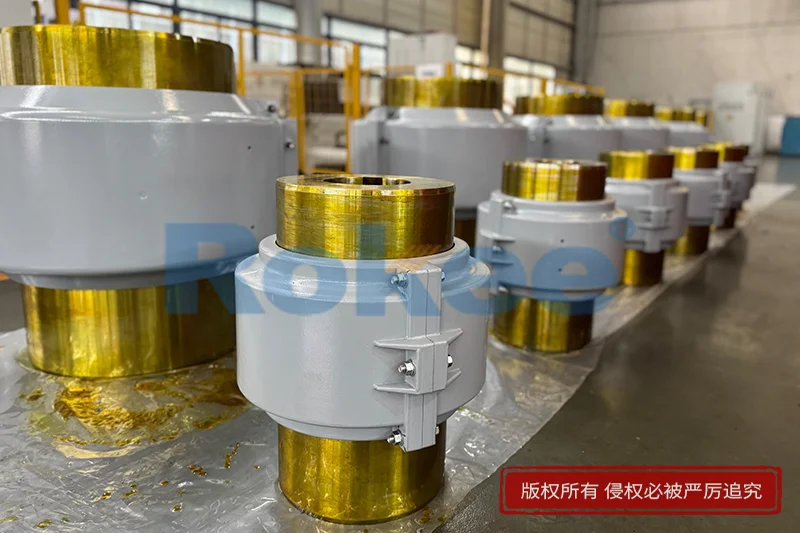
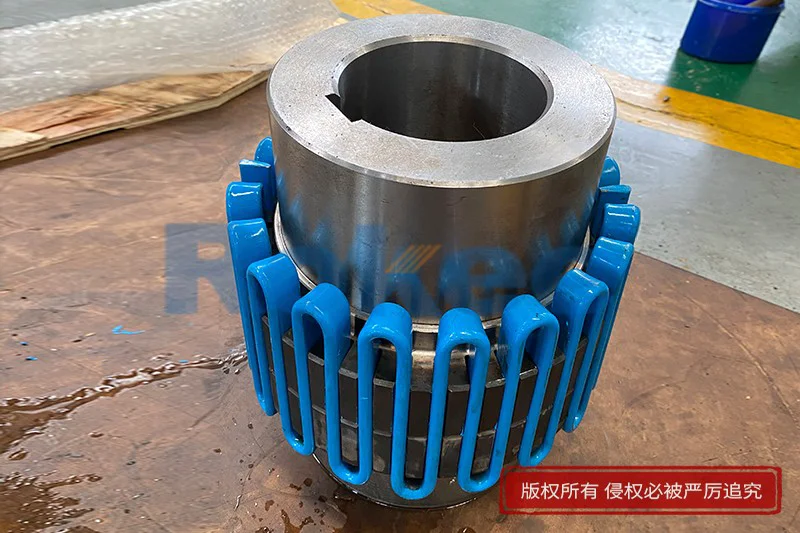
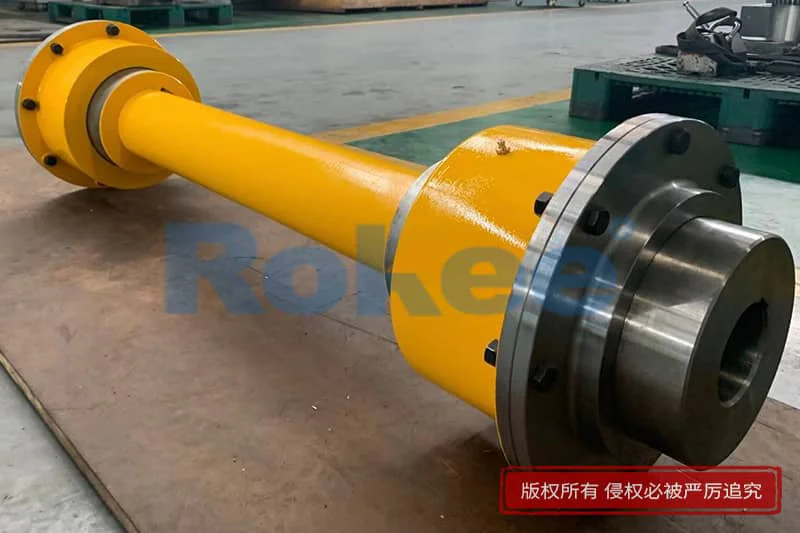
Grid flex coupling refers to the flexible interactive coupling mechanism between power grid infrastructure, flexible power resources and multi-energy systems, which realizes dynamic matching, coordinated regulation and efficient utilization of power generation, transmission, distribution and consumption links through the integration of power electronic technology, intelligent sensing technology and optimized scheduling algorithms. Different from the rigid grid connection mode of traditional power systems that pursues fixed parameter matching and stable operating state, grid flex coupling takes “flexible adaptation” as the core attribute, focusing on solving the problems of poor grid compatibility with fluctuating power sources, insufficient resource scheduling capacity and low energy utilization efficiency in the context of high-penetration renewable energy integration. It breaks the isolated operation state of each link of the power system and each independent energy unit, and builds a dynamic coupled operation system that can respond quickly to source-load fluctuations.
The core operating mechanism of grid coupling is based on the organic coordination of physical flexible regulation and digital intelligent control. At the physical equipment level, flexible coupling relies on advanced power electronic devices and flexible interconnection equipment to realize adjustable power transmission and multi-state operational adaptation. These devices can effectively cope with parallel and angular misalignment in grid operation, absorb transient vibration and impact generated by power fluctuation, and maintain stable power transmission under variable load conditions. When the power system is under conventional steady-state operation, the flexible coupling components operate in a balanced state, realizing efficient and lossless power transmission; when the system encounters load fluctuation, new energy power surge or partial equipment operation deviation, the flexible structure undergoes elastic deformation and dynamic adjustment to buffer transient impact, avoid rigid collision and parameter mutation of the grid system, and protect key grid equipment and power transmission links from damage caused by abnormal operating conditions. In extreme overload or severe fluctuation scenarios, the flexible coupling mechanism can also form a passive protection barrier for the system, cutting off abnormal power transmission in time to prevent large-scale grid faults from spreading.
At the digital scheduling level, grid flex coupling relies on real-time data perception, intelligent algorithm analysis and multi-dimensional resource coordination to realize active flexible regulation. Modern power grids have formed a massive real-time data perception network covering power generation units, transmission lines, distribution stations and end loads. The system can collect operating parameters such as real-time power output, grid voltage, frequency, line load and user power consumption status in full coverage. Through big data analysis and artificial intelligence algorithms, it can accurately predict the fluctuation trend of new energy power generation and the change law of user load, dynamically identify the surplus and shortage of grid power, and then realize the flexible coupling and coordinated scheduling of multiple resources including conventional generating units, distributed new energy, energy storage equipment and flexible loads. This digital-driven flexible regulation mode changes the traditional passive regulation mode of the grid relying on manual experience and fixed scheduling plans, and realizes active pre-regulation and real-time dynamic adaptation of the power system.
The technical advantages of grid flex coupling are fully reflected in system stability, resource utilization efficiency and operational scalability. In terms of system stability improvement, the flexible coupling mechanism effectively suppresses voltage fluctuation and frequency deviation caused by intermittent new energy access, reduces grid harmonic interference and transient impact faults, and significantly improves the power quality and operational reliability of the power system. Traditional rigid grid connection modes are extremely sensitive to source-load mismatches, and small-scale power fluctuations may cause local grid parameter deviations, which affect the safe operation of the entire system. In contrast, the buffer adjustment capability brought by grid flex coupling enables the system to tolerate a certain range of power fluctuations and operating deviations, greatly enhancing the operational resilience and fault tolerance of the grid.
In terms of energy resource utilization, grid flex coupling realizes the cross-time and cross-space optimal allocation of multi-energy resources. It breaks the operational barriers between centralized power generation and distributed power sources, enables surplus power generated by scattered new energy units to be efficiently integrated into the grid for unified consumption, and avoids energy waste caused by the abandonment of wind and solar power. At the same time, the flexible coupling mechanism can coordinate the complementary operation of multiple energy sources such as electricity, gas and heat in the integrated energy system, realize the cascade utilization and collaborative supply of different energy forms, and comprehensively improve the comprehensive utilization efficiency of regional energy resources. For end users, flexible grid coupling also supports the flexible access and exit of various distributed power sources and load equipment, meets the diverse power consumption needs of industrial production, commercial operation and residential life, and improves the flexibility and inclusiveness of grid operation.
In terms of system scalability, grid flex coupling adopts a modular and scalable design idea, which can adapt to the incremental development of power grids and the continuous access of new energy resources. With the continuous expansion of new energy installation scale and the continuous emergence of new flexible resources such as user-side energy storage and controllable loads, the grid operation environment is always in dynamic change. The flexible coupling system does not need to carry out large-scale transformation of the original grid infrastructure, but can realize adaptive matching and coordinated operation through parameter optimization and algorithm upgrading, which greatly reduces the system transformation cost and improves the long-term operational adaptability of the power grid. This scalable feature makes grid flex coupling applicable to both large-scale regional transmission grids and small-scale industrial and commercial microgrids, forming a multi-level flexible coupling operation system covering wide-area power grids and local distributed energy systems.
Grid flex coupling has been widely applied in multiple core scenarios of modern power system operation, covering new energy grid integration, flexible grid interconnection, microgrid operation and user-side flexible resource scheduling. In the field of new energy grid integration, it solves the core problem of difficult consumption and unstable grid connection of high-penetration wind and solar power. Large-scale new energy bases are often affected by weather and environmental factors, with obvious random power output fluctuations. The flexible coupling technology can dynamically adjust the power transmission capacity and grid operation state of the access point, smooth the power output curve of new energy units, realize stable grid connection and efficient consumption of fluctuating power sources, and effectively reduce the pressure of grid peak regulation and frequency regulation.
In the scenario of medium and low voltage distribution grid operation, grid flex coupling realizes the flexible interconnection and balanced operation of multi-section distribution networks. Traditional distribution grids adopt segmented rigid operation, which is prone to problems such as local line overload, voltage out-of-limit and unbalanced load distribution. Through flexible coupling interconnection between different grid sections, the system can realize mutual power supply and load transfer between lines, balance the load distribution of the distribution network, eliminate local overload and low-voltage problems, and improve the overall power supply capacity and power supply reliability of the distribution grid. For urban power grids with dense loads and rural power grids with scattered new energy sources, this flexible interconnection operation mode can significantly optimize the grid operation structure and improve the refined operation level of the distribution network.
In the field of microgrid operation and industrial energy management, grid flex coupling supports the seamless switching between grid-connected and off-grid operation of microgrids. Industrial parks, remote areas and data center energy systems usually build independent microgrids containing distributed new energy and energy storage equipment. The flexible coupling mechanism can realize smooth switching between grid-connected power supply and independent power supply of microgrids according to grid operation conditions and load demand, ensuring continuous and stable power supply for key loads. At the same time, it can realize flexible interaction between microgrids and large grids, realize peak shaving and valley filling and surplus power grid connection, and maximize the economic and operational value of distributed energy systems.
Despite its outstanding technical advantages and wide application prospects, the popularization and application of grid flex coupling still face multiple technical and operational challenges in practical engineering applications. First of all, the coordinated control difficulty of multi-flexible resources is prominent. Modern power systems integrate a large number of heterogeneous flexible resources with different response speeds, regulation ranges and operating characteristics, including fast-response power electronic equipment, medium-speed energy storage devices and slow-response conventional generating units. The dynamic coupling relationship between various resources is complex, and there are differences in operating constraints and regulation mechanisms. It is difficult to realize precise collaborative scheduling of all resources, which easily leads to insufficient resource utilization or uncoordinated regulation actions.
Secondly, the system stability and safety control under high-flexibility operation needs to be further optimized. The flexible coupling operation mode enhances the dynamic adjustment capability of the grid, but also increases the complexity of system operation. A large number of power electronic devices connected to the grid will change the original impedance characteristics and dynamic response mechanism of the power system, which may induce new stability problems such as low-frequency oscillation and harmonic resonance under extreme operating conditions. In addition, the frequent dynamic adjustment of power flow and operating parameters increases the difficulty of system fault judgment and protection positioning, putting forward higher requirements for the safety protection strategy of the power grid.
Thirdly, the standardization and matching degree of flexible coupling equipment and systems are insufficient. At present, the research and development and application of flexible coupling equipment are in the stage of rapid development, and there are differences in technical parameters, performance indicators and interface standards of equipment from different technical routes. The lack of unified industry technical standards leads to poor compatibility between different equipment and systems, which affects the large-scale popularization and systematic application of grid flex coupling technology. At the same time, the operation and maintenance system adapted to flexible coupling operation has not been fully improved, and the traditional grid operation and maintenance mode is difficult to adapt to the dynamic and intelligent operation characteristics of flexible coupling systems.
In view of the above challenges, the future development of grid flex coupling will focus on technological iteration, system optimization and standardization construction, and continue to improve the technical maturity and engineering application value of the system. In terms of core technology research and development, with the continuous progress of power electronic technology, artificial intelligence and digital twin technology, grid flex coupling will develop towards higher precision, faster response and deeper intelligence. The digital twin technology will build a full-scene virtual mapping model of the power grid, realize real-time simulation, prediction and optimization of flexible coupling operation, and greatly improve the accuracy and foresight of system scheduling. The intelligent optimization algorithm will further realize the global optimal scheduling of multi-energy and multi-resource coupling, break through the bottleneck of heterogeneous resource coordination, and maximize the flexible regulation potential of the power system.
In terms of system safety and stability control, future research will focus on the dynamic mechanism analysis and fault early warning of flexible coupling systems. By constructing a multi-dimensional system stability evaluation system, the operation state of the flexible coupling grid can be accurately perceived, potential stability risks can be effectively identified, and adaptive damping control and fault isolation strategies can be formulated to suppress system oscillation and fault diffusion. At the same time, the integration of active safety protection and passive fault tolerance technology will be realized to build a multi-level safety defense system suitable for flexible grid coupling operation, ensuring the safe and stable operation of the power system under high-flexibility working conditions.
In terms of industrial standardization and engineering application, the industry will accelerate the formulation of unified technical standards for flexible coupling equipment, system access and scheduling operation, standardize the technical parameters and application specifications of grid flex coupling related equipment, and improve the compatibility and interchangeability of system equipment. At the same time, a professional operation and maintenance system and talent training system adapted to flexible coupling operation will be established to realize standardized and refined operation and management of flexible coupling systems, and lay a foundation for large-scale popularization and application of the technology in various scenarios of power grids.
From the perspective of long-term energy development strategy, grid flex coupling is not only a key technical means to solve the operation problems of new energy power grids, but also an important basic support for the construction of new power systems. With the continuous advancement of energy structure transformation, the proportion of renewable energy in power generation will continue to increase, and the power grid will evolve from the traditional unidirectional power transmission network to a bidirectional interactive, multi-energy complementary and intelligent coupled comprehensive energy network. Grid flex coupling will run through all links of power system planning, construction, operation and scheduling, continuously release the flexible regulation potential of the power grid, improve the ability of the power system to absorb new energy and adapt to complex operating conditions, and provide strong support for realizing clean, low-carbon, safe and efficient energy development.
In conclusion, grid flex coupling, as a revolutionary grid operation and regulation paradigm adapted to the energy transformation era, effectively makes up for the inherent defects of traditional rigid grid operation modes through the integration of physical flexible regulation and digital intelligent scheduling. It has irreplaceable advantages in improving grid stability, optimizing resource allocation and expanding system operation space. Although the current technology application still faces challenges in resource coordination, system stability and standardization construction, with the continuous innovation of core technologies and the gradual improvement of industrial supporting systems, grid flex coupling will usher in broader application prospects. It will become the core technical pillar of the new power system, promote the deep integration of new energy and power grids, and accelerate the realization of the global green and low-carbon energy transformation goal.
« Grid Flex Coupling » Update Date: 2026/7/16
Contact
If you require custom machined couplings, please contact Rokee via the contact information below for inquiries.
Email: https://www.gshmdpq.com
 WeChat