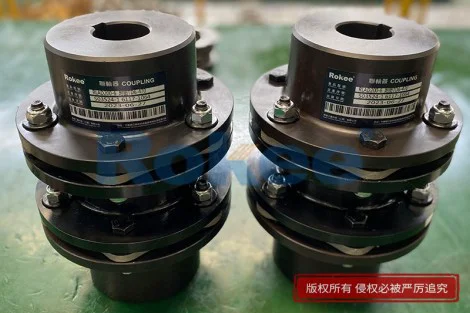
Steam Turbine Flexible Coupling
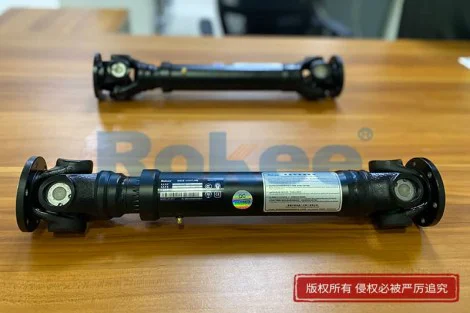
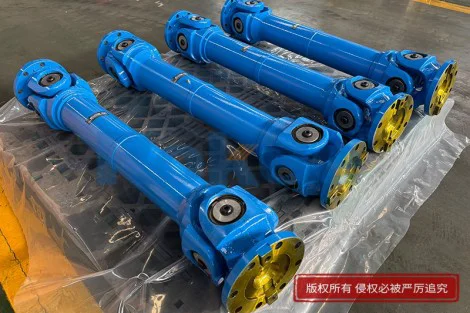
Rokee is a manufacturer of steam turbine flexible coupling from china, we can provide non-standard custom steam turbine flexible coupling based on parameters or drawings supplied by customers, with export support available.
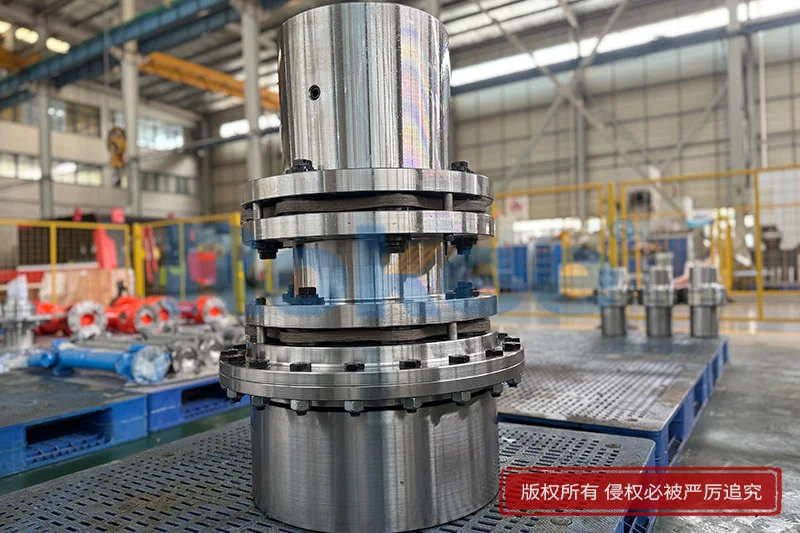
In modern thermal power generation systems, steam turbines stand as the core power conversion equipment that transforms thermal energy from high-temperature and high-pressure steam into mechanical rotational energy, driving generators to produce electric power. The stable connection and efficient power transmission between the turbine rotor and the generator rotor directly determine the overall operating efficiency, safety and service life of the entire power unit. As a key connecting component of high-speed rotating equipment, steam turbine flexible coupling undertakes the critical task of torque transmission and shaft system deviation compensation, serving as an indispensable flexible connection medium in the turbine-generator shaft system. Unlike rigid couplings that pursue absolute coaxial rigidity, flexible couplings are designed with elastic deformation characteristics, which can adapt to various minor deviations and dynamic changes in the shaft system operation process, effectively solving the mechanical vibration and stress concentration problems caused by shaft misalignment, and ensuring the long-term stable and reliable operation of high-power and high-speed steam turbine units.
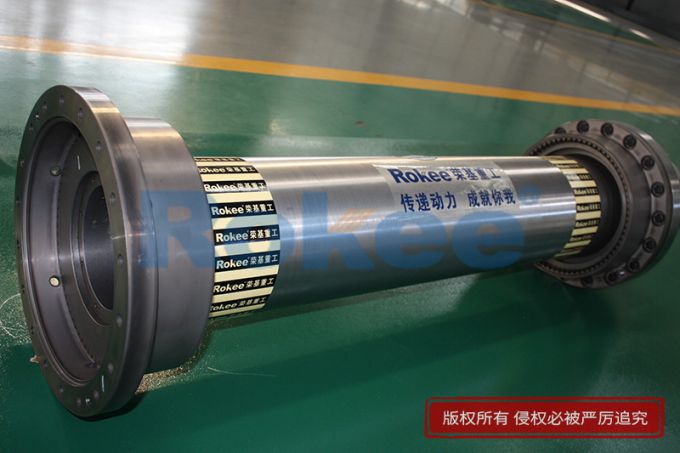
The operating environment of steam turbine shaft systems is extremely complex and harsh. During the long-term operation of thermal power units, the shaft system will inevitably produce multiple forms of misalignment and displacement due to various objective factors. In the equipment installation stage, limited by construction precision, foundation flatness and assembly processes, it is impossible to achieve absolute perfect coaxial alignment between the turbine shaft and the generator shaft, leaving tiny initial misalignment errors. In the operational stage, the unit will experience drastic temperature changes from cold start to full-load operation, and the metal components of the shaft system will produce thermal expansion and contraction effects, resulting in axial elongation, radial offset and angular deflection of the two connected shafts. In addition, the structural deflection of the unit foundation under long-term load, the slight wear of supporting bearings and brackets, and the dynamic vibration generated by high-speed rotation will further aggravate the relative displacement between the driving shaft and the driven shaft. If rigid connection is adopted, these unavoidable deviations will cause huge alternating mechanical stress on the shaft system, bearings and sealing components, triggering excessive equipment vibration, accelerated component wear, shaft system fatigue damage, and even sudden unit shutdown in severe cases. The emergence of flexible couplings fundamentally solves this technical pain point, realizing flexible torque transmission while tolerating multi-dimensional shaft misalignment, and building a safe buffer zone for the operation of steam turbine units.
The working principle of steam turbine flexible coupling is based on the controllable and reversible elastic deformation of high-performance elastic components. Its core operation logic is to rely on the elastic parts inside the coupling to produce micro deformation during high-speed rotation, so as to compensate axial, radial and angular misalignment between the two connected shafts without affecting the efficient transmission of torque and rotational power. When the turbine and generator shafts maintain an ideal coaxial state, the elastic components of the coupling only bear uniform tension and compression force, stably transmitting rotational torque without additional deformation and energy loss. Once relative misalignment occurs between the two shafts, the elastic structure will produce adaptive micro elastic deformation according to the deviation direction and amplitude. This flexible deformation can offset the dislocation stress between the shafts, avoid the rigid collision and force concentration between mechanical components, and convert the harmful alternating stress generated by shaft misalignment into harmless elastic deformation energy, which is released and recovered in the continuous rotation cycle. The whole torque transmission process is continuous and stable, with no sliding friction between components, no transmission backlash, and extremely low mechanical loss, which fully adapts to the high-speed and high-precision operation requirements of steam turbine equipment.
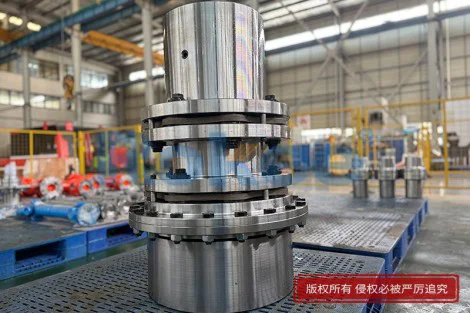
After long-term technical iteration and engineering optimization, mainstream steam turbine flexible couplings in the industry have formed two mature structural forms, namely diaphragm flexible coupling and gear flexible coupling, both of which meet the strict API 671 industry standards for turbomachinery couplings and are suitable for different power grade and operating condition requirements of steam turbine units. Diaphragm flexible couplings rely on the elastic deformation of thin metal diaphragm sets to realize misalignment compensation and torque transmission. The core component is high-strength alloy thin diaphragms with excellent corrosion resistance and fatigue resistance. According to the structural configuration, they can be divided into single-diaphragm and double-diaphragm structures. The single-diaphragm structure is simple and compact, with stable operation, and is suitable for turbine units with low misalignment amplitude and stable operating conditions. The double-diaphragm structure is equipped with two groups of symmetrically arranged diaphragm components, which can realize multi-directional synchronous compensation of axial, radial and angular displacement, with twice the angular deviation compensation capability of the single-diaphragm structure and smaller reaction force during radial displacement. This structure is mostly used in large and medium-sized high-power steam turbine units with complex operating conditions and large thermal deformation range.
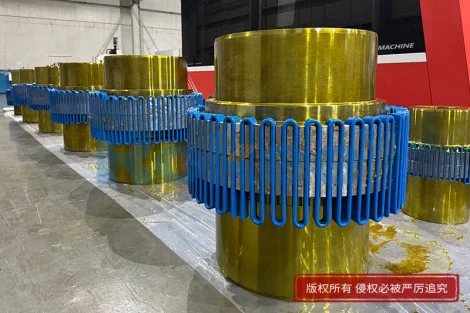
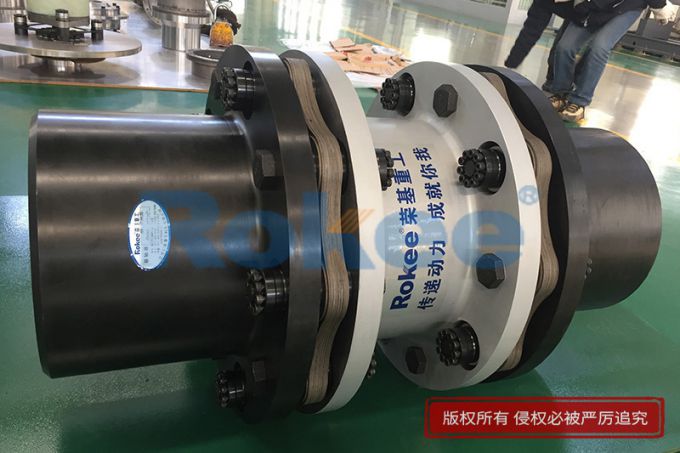
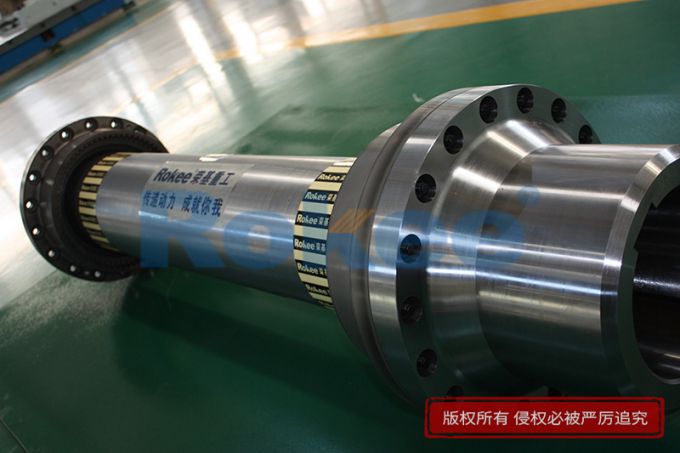
Gear flexible couplings adopt a tooth meshing flexible structure, consisting of two flanges with circumferential tooth structures and segmented serpentine steel spring components arranged between the teeth. The specially optimized tooth profile design enables the steel spring to produce flexible bending deformation freely, and the segmented spring structure is convenient for assembly and later maintenance, while the external protective shell can effectively isolate dust, moisture and other impurities to avoid component abrasion and corrosion. The gear meshing transmission mode has strong torque bearing capacity and high structural rigidity, which can meet the torque transmission requirements of ultra-large-power steam turbine units. The flexible fit between the tooth gap and the spring allows relative micro displacement between the two coupling halves, thus compensating the shaft system misalignment caused by thermal expansion and installation errors. Both structural types abandon the traditional lubrication-dependent transmission mode in the optimized design, realizing dry operation, completely eliminating the risk of oil leakage pollution in the shaft system, and reducing the maintenance cost and failure rate of auxiliary systems.
The unique structural and performance advantages of flexible couplings make them play multiple key roles in the full-cycle operation of steam turbine units. First of all, it realizes efficient and lossless torque transmission. As the power transmission link between turbine and generator, the coupling needs to maintain stable power transmission efficiency under long-term high-speed and heavy-load operation. The elastic flexible transmission structure avoids the power loss caused by rigid impact and friction, ensuring that the mechanical energy converted by the steam turbine can be efficiently transmitted to the generator to complete power generation, which is crucial to improve the overall power generation efficiency of thermal power units. Secondly, it effectively suppresses equipment vibration and reduces component wear. The elastic buffer characteristic of flexible couplings can absorb the dynamic vibration generated by shaft rotation, reduce the overhanging weight of the rotor system, avoid vibration superposition and resonance phenomenon of the shaft system, and greatly reduce the fretting wear of shaft hubs and bearing components. Long-term engineering practice shows that the application of high-quality flexible couplings can significantly reduce the vibration amplitude of turbine-generator units, extend the service life of bearings, seals and other vulnerable parts, and reduce the frequency of equipment overhaul and component replacement.
In addition, flexible couplings can adapt to the dynamic thermal deformation of steam turbine units. The shaft system of steam turbine will produce continuous thermal expansion from cold start to rated load operation, and the displacement deviation will change dynamically with the load adjustment and temperature fluctuation of the unit. The elastic deformation range of flexible couplings is precisely designed according to the thermal deformation law of turbine shaft system, which can automatically adapt to the dynamic displacement changes in the operation process, avoid thermal stress accumulation in the shaft system, and prevent shaft bending, rotor jitter and other faults caused by thermal deformation constraints. At the same time, the excellent structural flexibility of the coupling can also isolate the vibration and impact generated by the turbine side during steam parameter fluctuation and load mutation, avoid the impact of sudden load changes on the generator and power grid system, and improve the overall operation stability and anti-interference ability of the unit.
Material performance is the core factor that determines the service life and operating stability of steam turbine flexible couplings. Since the coupling works in a high-speed, alternating stress and slightly corrosive industrial environment for a long time, the selected materials must have high tensile strength, excellent fatigue resistance, low elastic hysteresis and good corrosion resistance. High-strength alloy steel and special stainless steel are the most widely used raw materials for coupling production. After precision forging, heat treatment and surface strengthening processes, the materials can maintain stable mechanical properties under long-term high-frequency alternating elastic deformation, without plastic deformation, fatigue cracking or structural failure. The diaphragm components of diaphragm couplings are processed by ultra-thin precision cutting and polishing technology to ensure uniform thickness and consistent elastic performance of each diaphragm, so as to realize synchronous and balanced deformation during operation and avoid local stress concentration. The spring components and tooth structures of gear couplings are treated with high-precision finishing and wear-resistant strengthening to ensure flexible meshing and stable deformation in long-term operation, maintaining consistent compensation performance and transmission efficiency.
In the whole life cycle management of steam turbine equipment, the daily maintenance and condition monitoring of flexible couplings are crucial to ensure the safe operation of the unit. Although flexible couplings have the advantages of simple structure, few vulnerable parts and long service life compared with traditional mechanical transmission components, long-term high-speed operation and alternating stress will still cause gradual fatigue loss of elastic components. Conventional daily maintenance mainly includes regular appearance inspection, structural tightness check and operating state monitoring. Operators need to regularly observe whether there is abnormal vibration, noise and local deformation of the coupling during unit operation, check the fastening state of connecting bolts and the integrity of protective structures, and eliminate hidden dangers such as loose connection and foreign matter accumulation in time. For units operating for a long time, regular professional detection of elastic component fatigue degree, structural deformation and material performance attenuation is required to judge the service state of the coupling and formulate reasonable replacement and maintenance plans.
It is worth noting that the installation precision of flexible couplings directly affects their compensation performance and service life. Excessive installation deviation will make the coupling work in a super-design deformation state for a long time, accelerate the fatigue damage of elastic components, and even cause structural failure in advance. Therefore, in the equipment installation and overhaul process, it is necessary to strictly follow the precision alignment process standards to control the coaxiality deviation of the shaft system within the design allowable range, so that the coupling can exert the best flexible compensation effect. In addition, in the unit load adjustment and peak regulation operation, avoid long-term extreme load operation and frequent sudden load change, so as to reduce the frequent alternating deformation of the coupling and delay the attenuation of material performance.
With the continuous upgrading of thermal power industry towards high efficiency, low energy consumption and intelligent operation, the technical performance requirements for steam turbine flexible couplings are also constantly improving. Modern large-scale thermal power units have the characteristics of larger single-unit capacity, higher operating speed and more frequent peak regulation operations, which put forward higher standards for the compensation capability, transmission stability, fatigue life and environmental adaptability of couplings. The future development direction of steam turbine flexible couplings focuses on high-strength lightweight structure design, new high-fatigue-resistance material application, intelligent state monitoring and integrated structural optimization. Through structural lightweight optimization, the rotor overhanging load is further reduced, and the dynamic performance of the shaft system is improved. Through the application of new composite alloy materials, the service life and extreme working condition adaptability of couplings are enhanced. At the same time, combined with intelligent sensing technology, the real-time deformation state, stress distribution and operating temperature of couplings can be monitored online, realizing early warning of potential faults and predictive maintenance, which further improves the intelligent operation level and safety redundancy of turbine units.
In conclusion, the flexible coupling is a core supporting component that integrates torque transmission, deviation compensation, vibration damping and stress protection in the steam turbine shaft system. It solves the mechanical operation problems caused by installation errors, thermal deformation and dynamic vibration of high-speed rotating shaft systems, provides a stable and reliable mechanical connection guarantee for the efficient operation of steam turbine power generation equipment, and plays an irreplaceable important role in improving the operating efficiency of thermal power units, reducing equipment failure rates, extending equipment service life and ensuring the safe and stable operation of power systems. With the continuous progress of mechanical manufacturing technology and material engineering technology, the performance of steam turbine flexible couplings will be further optimized, providing more solid technical support for the high-quality and efficient operation of modern thermal power generation industry.
« Steam Turbine Flexible Coupling » Update Date: 2026/7/16
Contact
If you require custom machined couplings, please contact Rokee via the contact information below for inquiries.
Email: https://www.gshmdpq.com
 WeChat