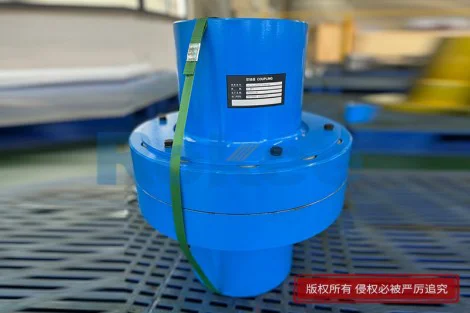
Flexible Pump Couplings
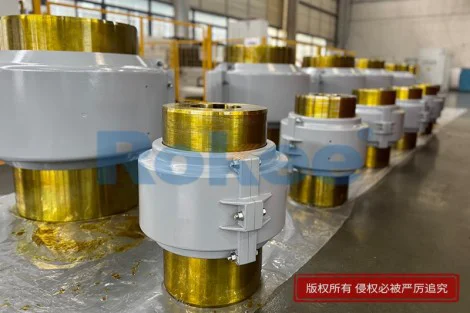
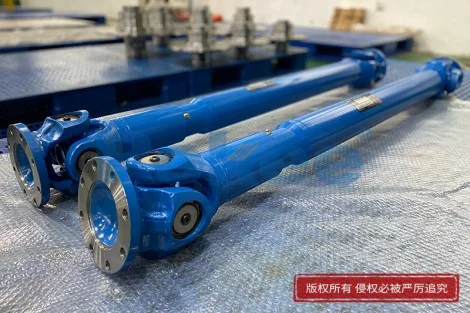
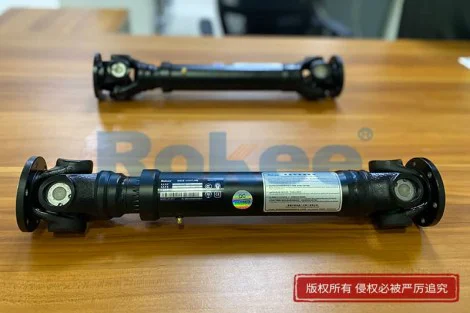
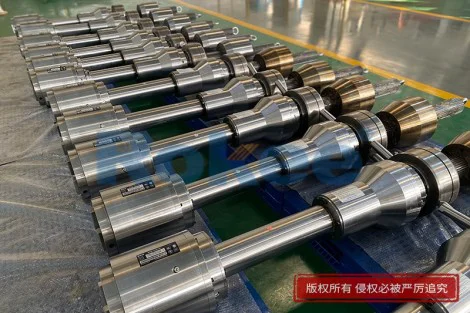
Rokee is a manufacturer of flexible pump couplings from china, we can provide non-standard custom flexible pump couplings based on parameters or drawings supplied by customers, with export support available.

In modern fluid handling systems, the stable operation of pumps relies heavily on precise power transmission between prime movers and pump bodies, and flexible pump couplings stand as one of the most critical auxiliary components in this mechanical transmission process. As a core connecting component designed for pump shaft systems, flexible pump couplings are dedicated to transmitting torque while accommodating unavoidable shaft misalignment, absorbing mechanical vibration, and buffering instantaneous impact loads. Unlike rigid couplings that pursue absolute shaft rigidity and zero displacement, flexible pump couplings leverage the elastic deformation of internal flexible elements to achieve compliant transmission, which perfectly adapts to the complex and variable working conditions of industrial and civil pump equipment. This unique working mechanism enables pump units to maintain efficient and stable operation in long-term continuous service, effectively reducing component wear and extending the overall service life of fluid conveying systems.


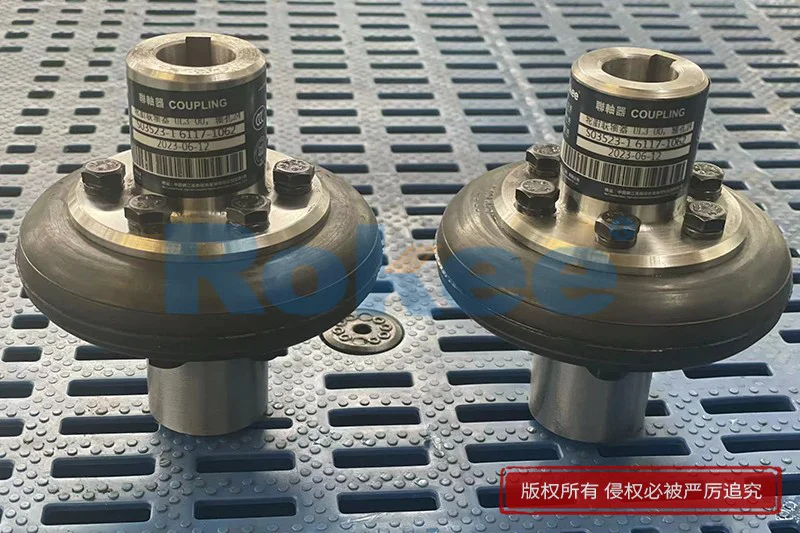
The fundamental working logic of flexible pump couplings originates from the inherent mechanical defects of rigid shaft connection in pump operation. During the installation and long-term service of pump equipment, perfect coaxial alignment between the motor drive shaft and the pump driven shaft is almost impossible to achieve. Minor deviations including angular misalignment, radial offset and axial displacement are always present due to installation errors, equipment foundation settlement, thermal expansion and contraction of metal components, and mechanical fatigue after long-term operation. Rigid couplings cannot compensate for these deviations, which will cause additional alternating stress on shafts, bearings and sealing components. This cumulative stress will eventually lead to shaft vibration, bearing heating, seal leakage, and even mechanical failure and equipment shutdown. Flexible pump couplings solve this industry pain point fundamentally through their flexible structural design. The elastic components inside the coupling can produce controllable elastic deformation within a safe range, automatically compensating for various minor shaft misalignments, ensuring continuous and stable torque transmission, and isolating harmful mechanical stress from key pump components.
From the perspective of structural classification and material characteristics, flexible pump couplings can be divided into two mainstream categories according to their flexible implementation principles: material flexible couplings and mechanically flexible couplings, both of which have unique application advantages in different pump working scenarios. Material flexible couplings, also known as elastic element couplings, rely on high-performance elastic materials to realize flexible transmission. Common elastic materials include rubber, polyurethane and special polymer elastomers, which feature excellent elasticity, shock absorption and noise reduction properties. This type of coupling has a simple and compact structure, no need for lubrication during operation, and low daily maintenance costs. It can effectively absorb high-frequency vibration generated during pump operation and instantaneous impact loads during equipment start-up, shutdown and load fluctuation, making it highly suitable for medium and small-sized pump equipment in conventional working conditions. Mechanically flexible couplings realize misalignment compensation through the relative movement of internal mechanical structures such as gears, discs and bellows, with metal components as the main flexible carriers. This type of coupling has higher torsional rigidity and torque bearing capacity, better resistance to high temperature and corrosion, and can adapt to high-speed, high-load and harsh industrial environments, becoming the preferred choice for large industrial pump units.
The performance advantages of flexible pump couplings in practical operation are reflected in multiple dimensions of equipment protection and system efficiency optimization. First of all, the excellent misalignment compensation capability greatly reduces the assembly accuracy requirements of pump and motor equipment. In the actual on-site installation process, construction personnel do not need to pursue extremely strict coaxial precision, which effectively shortens the installation and debugging cycle and reduces the technical threshold of equipment assembly. More importantly, in the long-term operation stage, the automatic compensation function can offset the shaft displacement caused by equipment aging, foundation deformation and thermal deformation, avoiding the operation failure risk caused by shaft offset, and greatly improving the operational stability of pump units.
Secondly, flexible pump couplings have outstanding vibration damping and noise reduction effects. The vibration generated by pump operation mainly comes from hydraulic impact during fluid conveying, mechanical rotation friction and motor operation vibration. These vibrations will be transmitted along the shaft system to the entire equipment and even the foundation structure, causing equipment resonance, component fatigue damage and on-site noise pollution. The flexible elements of the coupling can form an effective vibration isolation buffer layer, consume vibration energy through elastic deformation, suppress vibration transmission between the motor and the pump, and reduce the overall vibration amplitude of the equipment. At the same time, the flexible connection avoids rigid friction and collision between metal shafts, significantly reducing mechanical operating noise, improving the on-site operating environment, and meeting the environmental protection and comfort requirements of industrial production and civil facilities.
In terms of equipment protection and service life extension, the value of flexible pump couplings is particularly prominent. Bearings and mechanical seals are the most vulnerable core components of pump equipment, and most of their premature failures are caused by eccentric shaft force and alternating impact load. Rigid connection will cause continuous eccentric wear of bearings and dynamic and static friction of seals when shaft misalignment occurs, leading to early failure of lubrication and sealing systems. Flexible pump couplings can balance the shaft stress state, eliminate additional eccentric load, make the pump shaft and motor shaft operate in a uniform stress state, effectively reduce the wear rate of bearings, seals and other wearing parts, and greatly extend the maintenance cycle and overall service life of pump equipment. In addition, when the pump system encounters accidental overload or instantaneous impact, the elastic deformation of the coupling can buffer and absorb part of the impact energy, avoid instantaneous overload damage to the motor and pump body, and play a reliable overload protection role for the entire transmission system.
Flexible pump couplings have extremely wide application adaptability and can be matched with various types of pump equipment, covering almost all scenarios involving fluid conveying. In the field of civil water supply and drainage, they are applied to domestic water supply pumps, sewage discharge pumps and circulating water pumps in buildings. The stable transmission and low-noise operation characteristics meet the long-term continuous operation requirements of civil equipment and reduce daily maintenance workload. In the industrial field, they are widely used in chemical process pumps, petrochemical delivery pumps, power plant circulating pumps, mining slurry pumps and food processing fluid pumps. Different types of flexible couplings can be selected according to industrial working conditions such as high temperature, low temperature, corrosion, high load and high speed to ensure the stable operation of industrial fluid systems.
For special working conditions, the targeted performance advantages of flexible pump couplings are more obvious. In the chemical industry, where fluid media are mostly corrosive and working temperature changes drastically, metal bellows and disc flexible couplings with corrosion resistance and high temperature resistance are mostly adopted. Their stable mechanical properties will not fail due to medium erosion and temperature change, ensuring the continuous operation of chemical production lines. In the water conservancy and hydropower industry, large-scale water supply and drainage pumps have high operating power and large load fluctuation, and high-torque flexible couplings can bear complex alternating loads and adapt to harsh outdoor working environments. In the precision pharmaceutical and electronic industry, the low-vibration and low-noise characteristics of elastic flexible couplings avoid vibration interference on precision production equipment, ensuring the stability of production environment and product quality.
In terms of daily operation and maintenance management, flexible pump couplings have significant economic and practical value compared with rigid transmission structures. The structural design of most flexible couplings is simple and modular, with independent replaceable wearing parts. When the elastic elements or mechanical buffer parts reach the service life and wear failure occurs, the replacement operation can be completed without disassembling the pump body and motor equipment, which is convenient and efficient, greatly reducing equipment maintenance time and labor cost. Moreover, the excellent protection performance of flexible couplings reduces the failure rate of core pump components such as bearings and seals, avoids production shutdown losses caused by equipment failure, and reduces the overall operating cost of the fluid system throughout the life cycle.
It is worth noting that the stable performance of flexible pump couplings is based on reasonable type selection, standardized installation and regular inspection and maintenance. In the type selection stage, it is necessary to comprehensively match the coupling type and specification according to the pump’s operating power, rotating speed, load characteristics, medium environment and installation space. Excessively small specifications will lead to insufficient torque bearing capacity and easy fatigue damage of flexible elements; excessively large specifications will cause structural redundancy, increase equipment load and affect transmission efficiency. In the installation process, although flexible couplings have misalignment compensation capability, excessive shaft offset beyond the allowable range will still cause accelerated wear of flexible components and reduce transmission stability. Therefore, basic coaxial calibration is still required during installation to ensure that the shaft misalignment is within the design allowable range.
Daily inspection and maintenance work mainly includes checking the aging and wear state of elastic elements, the fastening degree of connecting fasteners, and whether there is abnormal vibration and noise during coupling operation. For elastomer flexible couplings, aging, cracking and deformation of elastic materials may occur after long-term high-load operation, and regular inspection and timely replacement are required to avoid sudden failure. For mechanical flexible couplings, it is necessary to check the wear of mechanical matching parts and ensure the flexibility of relative movement structures to maintain stable misalignment compensation and torque transmission performance. Scientific maintenance management can maximize the service life of flexible pump couplings and give full play to their equipment protection advantages.
With the continuous upgrading of industrial manufacturing technology and the continuous improvement of fluid system operation requirements, the technical iteration of flexible pump couplings is also advancing steadily. Modern flexible pump coupling design is developing towards high precision, high durability, environmental protection and intelligence. New elastic composite materials and high-strength alloy materials are continuously applied to coupling manufacturing, which further improves the corrosion resistance, high and low temperature resistance and fatigue resistance of products, and adapts to more extreme working conditions. At the same time, the optimized structural design further improves the torsional rigidity and misalignment compensation accuracy of couplings, realizing more efficient and stable power transmission and lower vibration and noise levels.
In the context of intelligent industrial production, some optimized flexible pump coupling designs also integrate state monitoring functions. By matching with vibration and stress sensing structures, they can real-time monitor the operating state, wear degree and load change of the coupling, realize early warning of potential faults, and help the equipment management system achieve predictive maintenance. This intelligent upgrade further improves the operation reliability of the pump system and reduces the risk of unplanned shutdown of equipment, which is of great significance for improving the overall operational efficiency of industrial fluid systems.
In conclusion, flexible pump couplings are indispensable core components of modern pump fluid transmission systems. They not only undertake the basic function of torque transmission, but also solve many practical pain points in pump operation such as shaft misalignment, vibration impact and component wear through unique flexible transmission mechanism. Their excellent adaptability, reliable protection performance and economical maintenance characteristics make them widely used in various civil and industrial fluid conveying scenarios. With the continuous progress of material technology and mechanical design technology, flexible pump couplings will continue to optimize their performance, adapt to more complex and diversified working conditions, and provide more stable, efficient and durable guarantee for the safe operation of pump equipment and fluid systems in various industries. In the entire mechanical transmission system of pump equipment, the subtle and critical role of flexible pump couplings will always be irreplaceable, becoming an important basic support for the stable operation of modern fluid conveying industry.
« Flexible Pump Couplings » Update Date: 2026/7/16
Contact
If you require custom machined couplings, please contact Rokee via the contact information below for inquiries.
Email: https://www.gshmdpq.com
 WeChat