Shear Pin Couplings
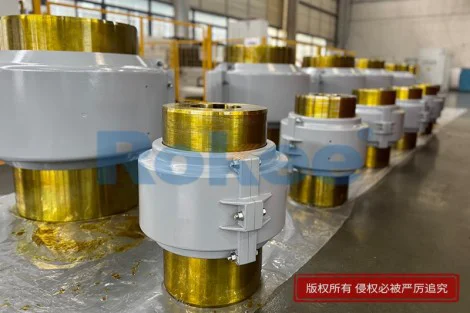
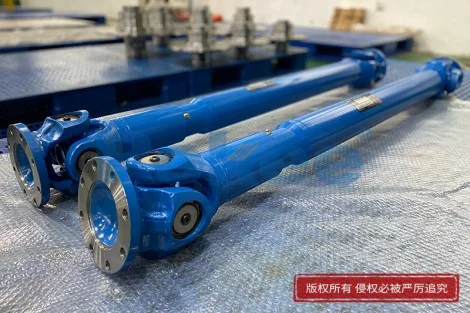
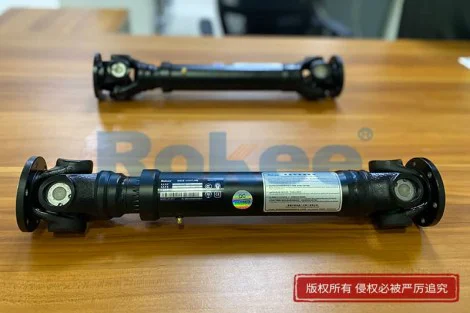
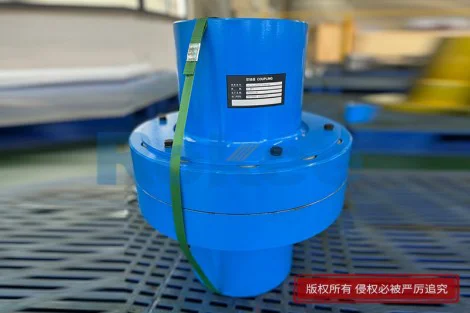
Rokee is a manufacturer of shear pin couplings from china, we can provide non-standard custom shear pin couplings based on parameters or drawings supplied by customers, with export support available.

In modern mechanical transmission systems, the stability and safety of power transmission are core prerequisites for the long-term reliable operation of industrial equipment. Among various transmission components, couplings undertake the key task of connecting driving and driven shafts, transmitting torque, and buffering mechanical vibration. As a classic safety protection transmission component, shear pin coupling integrates basic power transmission and overload protection functions, and is widely applied in heavy machinery, agricultural equipment, industrial transmission and other fields that require torque limitation and mechanical overload protection. Different from flexible couplings that focus on vibration damping and rigid couplings that pursue high-precision torque transmission, the core design concept of shear pin coupling lies in predictable sacrificial failure, which can automatically cut off the power transmission path when the equipment is overloaded, effectively protecting high-value core components of the mechanical system from damage.
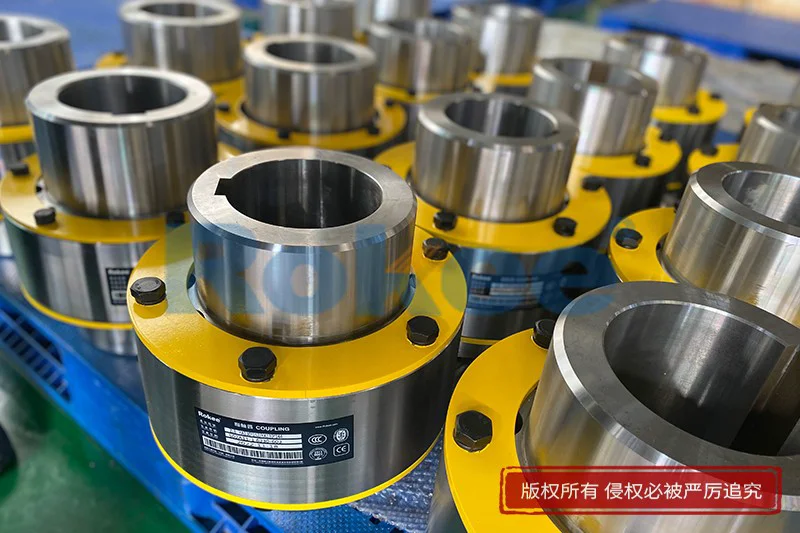
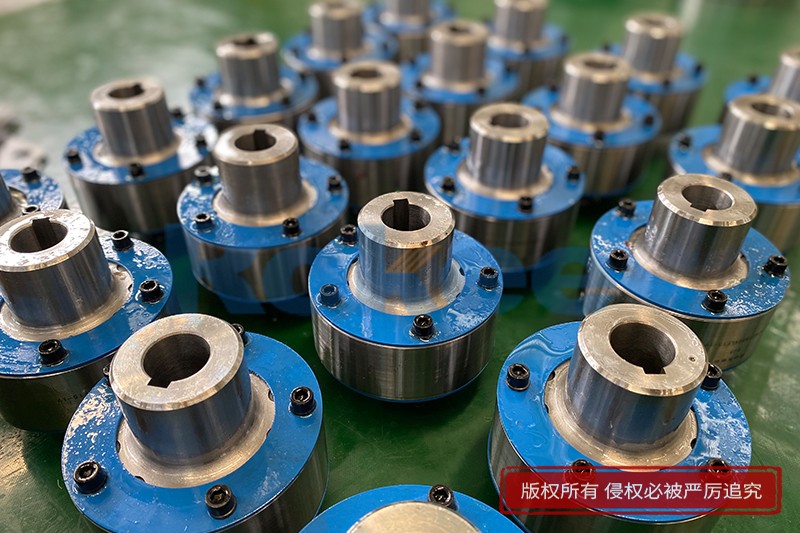

The working logic of shear pin coupling stems from the mechanical design principle of sacrificial structure, which is a mature and efficient mechanical fuse technology in the field of mechanical transmission. The overall structure of the coupling is simple and compact, mainly composed of two matching shaft hubs and precision-calibrated shear pins. Under normal operating conditions, the shear pin runs through the connecting part of the two hubs, tightly locking the driving shaft and the driven shaft into a unified rotating structure. At this time, the shear pin bears the shear force generated by torque transmission and stably transmits power and rotational motion without slipping or failure. The entire transmission process is efficient and stable, with high torque transmission accuracy, which can meet the continuous operation requirements of most conventional mechanical equipment.
The reliability of shear pin coupling’s protection performance is derived from precise material selection and structural calibration. The shear strength of the pin is strictly designed according to the maximum safe operating torque of the equipment system. Engineers calculate the optimal pin diameter, material hardness and structural tolerance based on the system’s load range, operating speed and impact resistance requirements. This standardized design enables the shear pin to maintain stable structural strength under all normal working conditions, and only fail when the system load exceeds the safe limit. Compared with other torque-limiting structures such as friction torque limiters and steel ball limiters, the shear pin structure has more accurate failure threshold, no cumulative error after long-term operation, and will not produce torque deviation caused by friction wear or component fatigue, which ensures the long-term stability of overload protection performance.
In terms of structural characteristics, shear pin coupling has excellent environmental adaptability and mechanical tolerance. Most of the coupling bodies are made of high-strength alloy materials with corrosion-resistant and wear-resistant treatments, which can adapt to harsh working environments such as high dust, humidity, slight corrosion and low temperature. The matching structure between the hub and the shear pin adopts precise machining tolerance, which not only ensures the tightness of connection during power transmission, but also guarantees the regularity of shear failure when overloaded. In addition, the coupling has a certain degree of misalignment tolerance, which can adapt to slight axial deviation, angular offset and radial displacement between the driving shaft and the driven shaft generated during equipment operation, avoiding additional mechanical stress caused by rigid connection and reducing equipment operation noise and vibration.
The practical application value of shear pin coupling is fully reflected in equipment fault tolerance and operation cost control. In mechanical systems without overload protection structures, a single overload impact may cause severe damage to multiple core components, resulting in high maintenance costs and long equipment downtime. In contrast, the shear pin, as a low-cost sacrificial component, bears all the overload impact damage in the system. After the overload fault occurs, the staff only need to eliminate the abnormal load cause and replace the broken shear pin to quickly restore the equipment to normal operation. The replacement process is simple and efficient, no complex disassembly and debugging of mechanical structures are required, which greatly shortens the equipment downtime, improves the overall operation efficiency of the production line, and significantly reduces the comprehensive maintenance cost of the equipment life cycle.
Shear pin couplings are widely used in various industrial and civil mechanical scenarios with frequent load fluctuations and accidental overload risks. In agricultural machinery, they are commonly equipped on snow blowers, tillers and harvesters. When the working components accidentally collide with hard foreign bodies such as stones and metal fragments during operation, the shear pin shears instantly to protect the reducer and transmission shaft from breaking. In heavy industrial equipment, the couplings are applied to conveyor systems, lifting machinery and mining equipment, effectively coping with sudden jamming and load surge during material transportation and mechanical operation. In addition, they also play a stable protective role in marine machinery, construction equipment and general industrial transmission devices, becoming a key safety barrier for medium and low-speed heavy-load transmission systems.
Despite its prominent advantages in safety protection and cost control, shear pin coupling also has inherent functional limitations determined by its structural principle. The most notable feature is that it belongs to a one-time protection component. Each overload shear failure will cause permanent damage to the shear pin, and manual replacement is required before the equipment can be restarted, which is not applicable to equipment scenarios with frequent overload fluctuations and continuous unattended operation. Meanwhile, the shear pin coupling is more suitable for medium and low-speed operating conditions. Under ultra-high-speed operating environments, the instantaneous shear failure of the pin may produce tiny debris, and the sudden disconnection of power may cause slight vibration impact on the high-speed rotating system, which affects the operational stability of precision high-speed equipment.
In the selection and application process of shear pin couplings, systematic torque matching and working condition evaluation are crucial prerequisites to ensure the protective effect. Excessively low shear strength of the pin will lead to frequent false shearing of the coupling during normal equipment operation, resulting in unnecessary equipment shutdown and affecting production continuity. Excessively high shear strength will make the protection threshold invalid, and the coupling cannot shear in time when overloaded, thus losing the protective effect on the equipment. Therefore, the selection of the coupling must comprehensively consider the rated torque of the equipment, peak load, operating speed, working environment and fault tolerance requirements, and complete the precise matching of pin material and structural parameters according to mechanical design standards.
In terms of daily maintenance, shear pin coupling has extremely low maintenance threshold and operation cost. Under normal working conditions, the coupling body will not produce wear and fatigue failure, and daily maintenance only requires regular visual inspection to check whether the pin connection is tight and whether there is abnormal vibration or displacement during operation. For equipment operating in harsh environments, regular cleaning of dust and attachments on the coupling surface and regular inspection of hub corrosion and wear can effectively extend the service life of the coupling body. After each overload protection action, in addition to replacing the shear pin, it is necessary to simply check the matching hole of the hub to ensure that there is no deformation or damage, so as to avoid the problem of inaccurate protection threshold caused by structural changes.
With the continuous upgrading of modern industrial mechanical design, the performance of shear pin couplings is also constantly optimized and improved. On the basis of retaining the classic sacrificial protection principle, modern optimized products adopt more precise material proportioning and structural design, which further improves the accuracy of torque threshold control and the stability of long-term operation. Some improved structures optimize the pin installation and positioning mode, realizing faster disassembly and replacement, further reducing equipment downtime. At the same time, combined with the environmental adaptation requirements of modern industry, new corrosion-resistant and high-toughness materials are applied to shear pin products, which expands the applicable temperature range and environmental scenarios of the couplings, and improves the overall reliability of the equipment system.
From the perspective of mechanical system safety design, shear pin coupling is a typical representative of prioritizing system safety over component integrity. Its design philosophy abandons the blind pursuit of component durability, and realizes the active protection of high-value mechanical systems through the controllable failure of low-value components. This design idea is of great significance for improving the fault self-protection ability of mechanical equipment, reducing equipment failure loss, and improving the safety and stability of industrial production. In the entire mechanical transmission industry, shear pin coupling, with its simple structure, reliable performance, low maintenance cost and obvious protective effect, has become an irreplaceable basic safety component in heavy-load and impact-prone transmission systems.
In conclusion, shear pin coupling balances the dual needs of efficient power transmission and reliable overload protection, and shows unique application advantages in industrial machinery, agricultural equipment and other fields. Although it has certain limitations in adaptive working conditions, its excellent safety protection performance and extremely low comprehensive operation cost make it still widely used in the mechanical industry after years of development. With the continuous progress of mechanical manufacturing technology and the continuous improvement of industrial safety standards, the structural design and performance parameters of shear pin couplings will be further optimized, providing more stable and accurate safety protection for various mechanical transmission systems and laying a solid foundation for the safe and efficient operation of industrial equipment.
« Shear Pin Couplings » Update Date: 2026/7/16
Contact
If you require custom machined couplings, please contact Rokee via the contact information below for inquiries.
Email: https://www.gshmdpq.com
 WeChat