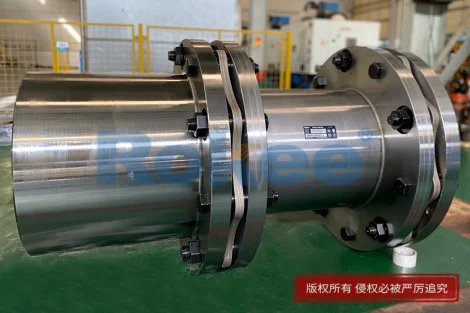
Spring Couplings
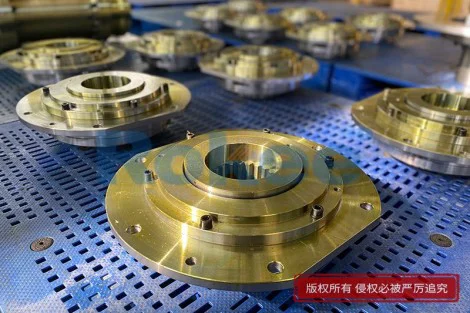
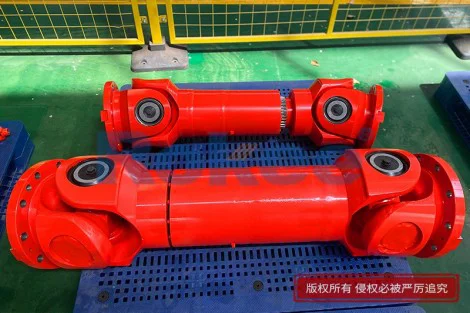
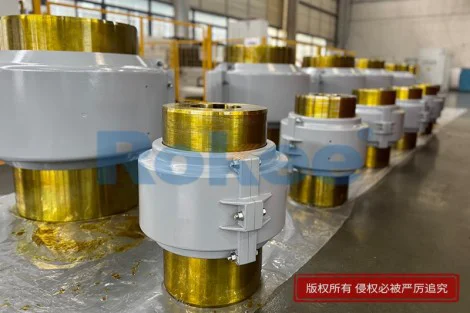
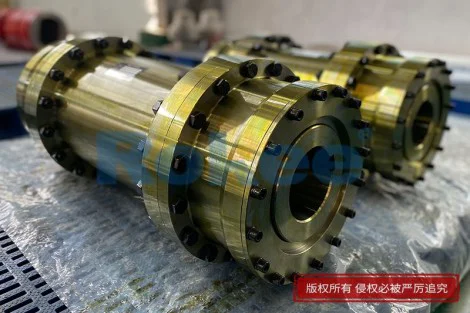
Rokee is a manufacturer of spring couplings from china, we can provide non-standard custom spring couplings based on parameters or drawings supplied by customers, with export support available.
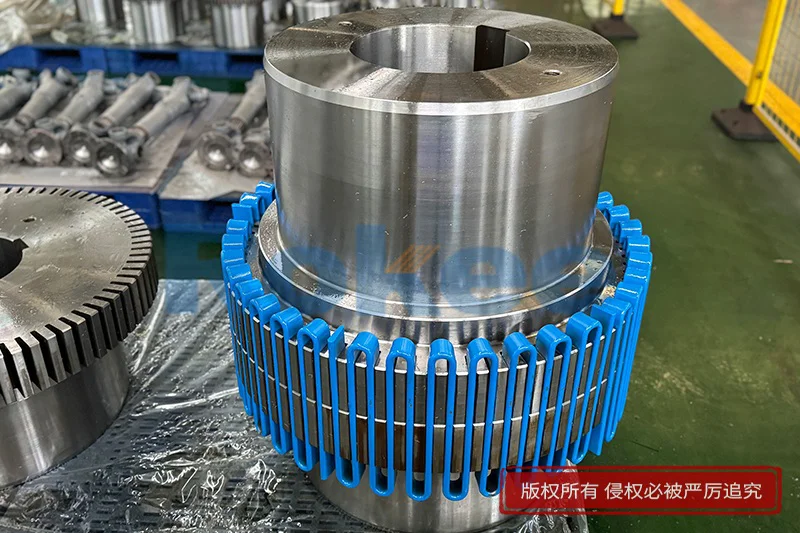
In the intricate ecosystem of mechanical power transmission, the stability, flexibility, and durability of connecting components determine the overall operational efficiency and service life of entire equipment systems. Among various flexible transmission components, spring couplings stand out as a highly reliable and versatile solution, widely deployed in rotating machinery systems that require precise torque transmission, vibration mitigation, and misalignment compensation. As a core flexible coupling device, it differs fundamentally from rigid coupling structures by relying on the elastic deformation characteristics of high-performance spring elements to realize buffered power transmission, effectively resolving common mechanical operation problems such as shaft position deviation, instantaneous impact load, and periodic vibration interference. Its unique structural design and adaptive performance make it an indispensable basic component in modern industrial manufacturing, mechanical processing, and intelligent equipment operation.

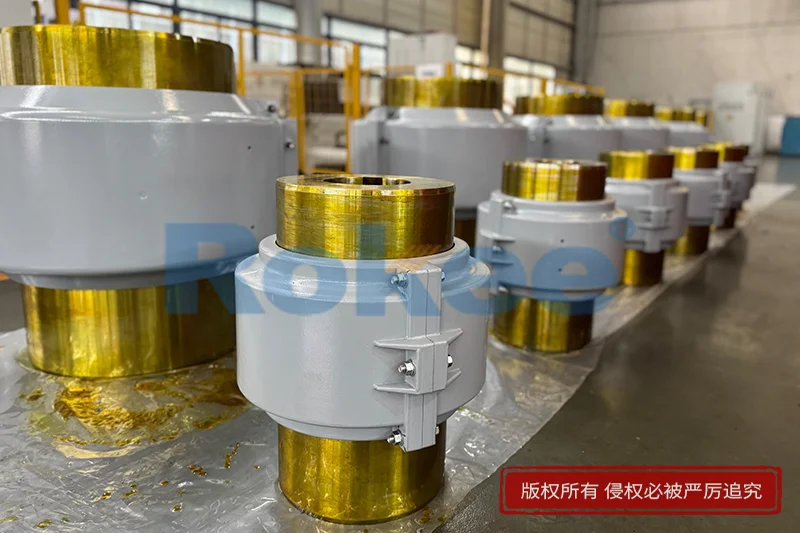
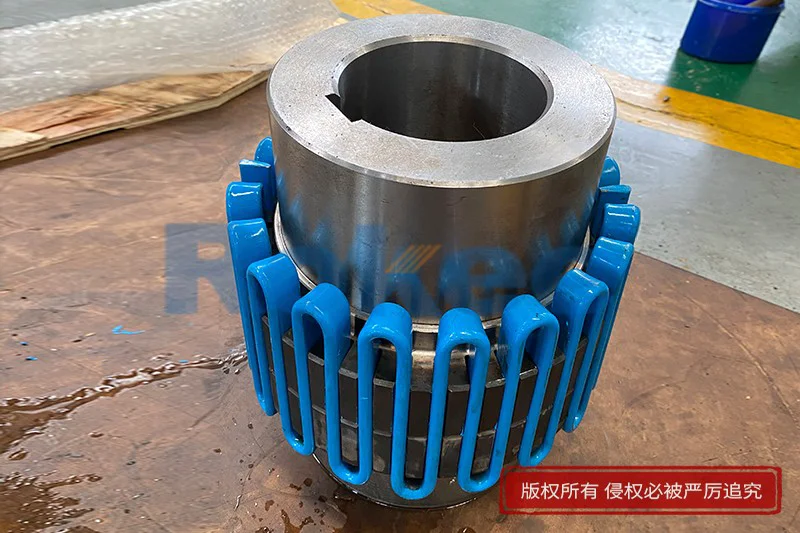
The basic structural composition of a spring coupling is simple yet highly scientific, consisting mainly of symmetric shaft hubs, elastic spring components, and protective sealing structures. The paired hubs are responsible for fixed connection with the driving shaft and driven shaft respectively, serving as the rigid transmission base of the entire device. The core functional part lies in the specially designed spring elements, which are mostly made of high-tensile alloy materials with excellent elastic recovery, fatigue resistance, and mechanical strength. These spring elements are installed in the matching grooves or gaps of the two hubs, forming a flexible connection bridge between the driving and driven ends. The external protective structure wraps the internal spring components, playing a vital role in isolating external dust, moisture, and debris, while locking internal lubricating media to reduce friction loss during long-term operation. This integrated structure combining rigid fixation and flexible transmission perfectly balances the two core requirements of mechanical operation: stable torque output and adaptive fault tolerance.
The working principle of spring couplings is built on the elastic deformation and mechanical energy conversion characteristics of metal spring materials. During equipment operation, the rotational torque generated by the power source is first transmitted to the driving hub, which then acts on the embedded spring elements through mechanical engagement. When the two connected shafts maintain an ideal coaxial state and operate under stable load, the spring elements remain in a mild pre-tensioned state, achieving efficient and lossless synchronous torque transmission, consistent with the transmission efficiency of rigid coupling structures. Once the mechanical system encounters operating fluctuations, including tiny angular deviation, axial displacement, radial offset between shafts, or instantaneous impact load and speed fluctuation during startup and shutdown, the spring elements will produce controllable elastic deformation. This deformation can effectively absorb and buffer abnormal mechanical energy, offset the transmission errors caused by shaft misalignment, and synchronize the operating speed and torque state of the driving and driven shafts in real time. After the abnormal operating state disappears, the springs quickly recover their original shape under the action of elastic force, ensuring the continuous and stable operation of the transmission system without residual deformation or transmission deviation.
Compared with other types of flexible couplings, spring couplings possess prominent comprehensive performance advantages, which are the key reasons for their wide industrial promotion. First of all, they have excellent misalignment compensation capability, covering axial, radial, and angular multi-dimensional deviation adaptation. In actual mechanical operation, absolute coaxiality of dual shafts is almost unattainable due to machining errors, assembly tolerances, equipment vibration, and thermal expansion and contraction during long-term operation. Most traditional couplings can only adapt to a single type of deviation with limited compensation range, while spring couplings rely on the multi-directional deformation ability of spring structures to cope with complex composite misalignment problems, greatly reducing the assembly precision requirements of equipment and lowering installation and debugging costs. Secondly, the vibration damping and impact resistance performance of spring couplings is far superior to many rigid and elastic coupling products. The elastic springs can convert instantaneous impact kinetic energy into elastic potential energy for storage and gradual release, avoiding rigid collision and stress concentration between shaft components, effectively suppressing mechanical resonance and periodic vibration in the transmission system, and reducing equipment operating noise and component wear.
In terms of operational stability and service life, spring couplings also show outstanding comprehensive performance. The high-strength alloy spring materials undergo special heat treatment and surface strengthening processes, with excellent fatigue resistance and structural stability, able to withstand long-term alternating load and high-frequency deformation without failure. The optimized structural design avoids local stress concentration, evenly distributing torque and load on each spring element, ensuring consistent stress state of components during long-term continuous operation. Meanwhile, the fully sealed protective structure effectively prevents the erosion of internal functional components by external harsh media, and the internal lubricating environment maintained by sealing design can continuously reduce friction and wear between springs and hub grooves, further extending the service cycle of the coupling. In addition, this type of coupling has strong adaptability to operating environments, capable of maintaining stable transmission performance in variable temperature alternating environments, and is not prone to performance attenuation or structural failure under conventional medium and high-temperature operating conditions, adapting to the complex and variable working conditions of industrial sites.
The installation and maintenance advantages of spring couplings also bring high practical value to industrial production. Different from precision coupling products that require strict assembly calibration, spring couplings have high assembly tolerance, allowing for convenient and fast installation without complex debugging procedures. The compact integrated structural design saves installation space, which is particularly suitable for mechanical equipment with limited internal layout and compact structural space. In daily operation and maintenance, the overall structure has high stability with few vulnerable parts, eliminating the need for frequent inspection and parameter calibration. The sealed lubrication system realizes long-term maintenance-free operation in conventional working conditions, greatly reducing equipment downtime and manual maintenance costs, and improving the continuous operation rate of mechanical production lines. For sudden load fluctuations and short-term overload conditions, the elastic buffer performance of springs can also play a certain overload protection role, avoiding direct damage to core equipment such as motors and reducers caused by instantaneous overload torque.
Spring couplings have extremely wide application scenarios, covering almost all mechanical systems that require rotary power transmission and flexible connection. In heavy industrial equipment, they are widely used in impact operation machinery such as crushing and grinding equipment, where frequent impact loads and vibration interference are generated during operation. The excellent impact resistance and vibration damping performance of spring couplings can effectively buffer operating shocks, protect transmission shafts and core components from fatigue damage, and improve the stability of heavy equipment operation. In metallurgical and rolling equipment, which requires long-term continuous high-load operation, spring couplings adapt to the thermal deformation and tiny shaft deviation generated by long-term high-temperature operation, ensuring synchronous and stable torque transmission of continuous production equipment and avoiding production interruption caused by transmission failure.
In the field of fluid power equipment such as compressors and pumps, the periodic vibration and speed fluctuation during equipment operation are easy to cause transmission system fatigue damage. Spring couplings can effectively absorb periodic vibration energy, stabilize the operating state of the transmission system, reduce the vibration conduction of the entire equipment pipeline, and improve the operational smoothness and service life of fluid conveying equipment. In automated production lines and conveying machinery, the frequent startup, shutdown, and speed regulation of equipment will produce instantaneous impact load. The flexible buffer performance of spring couplings can eliminate transmission jitter caused by start-stop impact, ensure stable and accurate operation of conveying equipment, and improve the operational precision and production efficiency of automated lines. In addition, in high-speed rotating equipment such as precision machine tools and industrial transmission devices, the good synchronous transmission performance and low vibration characteristics of spring couplings can meet the high-precision operation requirements of precision equipment, avoiding processing errors and equipment vibration caused by transmission deviation.
Reasonable type selection and standardized application are crucial to giving full play to the performance advantages of spring couplings. In the selection process, the core basis is the actual operating parameters of the mechanical system, including conventional operating torque, instantaneous peak torque, operating speed range, shaft misalignment range, and environmental working conditions. For equipment with frequent impact load and variable load operation, priority should be given to spring coupling products with stronger elastic buffer capacity and higher fatigue resistance to cope with long-term alternating load challenges. For high-speed rotating equipment, it is necessary to select couplings with balanced structural performance and stable high-speed operation to avoid vibration and transmission instability caused by structural eccentricity. For harsh working environments such as high temperature, high humidity, and dusty sites, sealed spring couplings with anti-corrosion and anti-pollution performance should be selected to ensure long-term stable operation of components.
In the actual application process, standardized installation and scientific daily management can further optimize the operating effect of spring couplings. During installation, it is necessary to ensure the matching precision of the shaft and hub, avoid installation eccentricity caused by excessive assembly gaps, and reserve a reasonable deformation allowance for spring elements to ensure their full play of buffer and compensation functions. In daily equipment operation, regular visual inspection of the coupling’s external structure integrity is required to check for seal damage and lubricant leakage. For equipment operating under high-load and harsh conditions, regular maintenance and lubrication replacement should be carried out according to the operating cycle to maintain the optimal working state of internal spring components. Timely replacement of aging and fatigued components can effectively avoid potential equipment failures caused by coupling performance attenuation.
With the continuous upgrading of modern industrial equipment towards high speed, high precision, and high stability, the market demand for high-performance flexible transmission components is constantly improving, and spring couplings are also evolving in structural optimization and material upgrading. Modern optimized spring coupling products adopt more precise spring profile design and new high-strength elastic alloy materials, further improving misalignment compensation range, vibration damping efficiency, and fatigue resistance. The integrated sealing and lubrication structure is more mature, realizing longer maintenance-free cycle and stronger environmental adaptability. Meanwhile, the lightweight and compact design makes it applicable to more miniaturized and intelligent precision equipment, expanding its application boundary in emerging fields such as intelligent manufacturing and precision automation equipment.
In conclusion, spring couplings rely on their unique elastic transmission principle, excellent multi-dimensional misalignment compensation capability, efficient vibration damping and impact resistance, as well as convenient installation and low maintenance cost advantages, forming irreplaceable application value in the field of mechanical power transmission. As a basic core component connecting rotating shafts, it not only solves many pain points of traditional rigid and flexible transmission structures in industrial operation, but also provides reliable guarantee for the stable, efficient, and long-term operation of various mechanical equipment. In the continuous development of industrial machinery technology, the continuous optimization and upgrading of spring coupling performance will further adapt to the higher operational standards of modern equipment, providing more solid basic support for the efficient and stable operation of the entire industrial mechanical system.
« Spring Couplings » Update Date: 2026/7/17
Contact
If you require custom machined couplings, please contact Rokee via the contact information below for inquiries.
Email: https://www.gshmdpq.com
 WeChat