Forklift Couplings
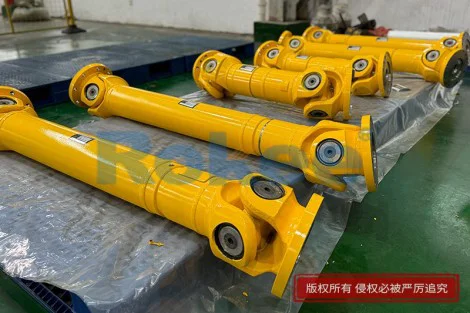
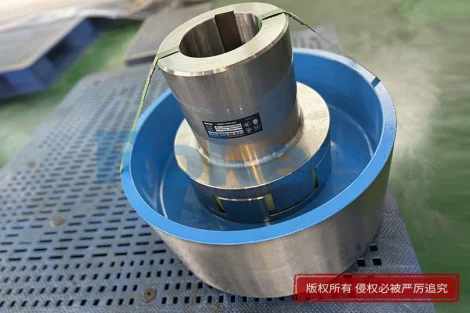
Rokee is a manufacturer of forklift couplings from china, we can provide non-standard custom forklift couplings based on parameters or drawings supplied by customers, with export support available.
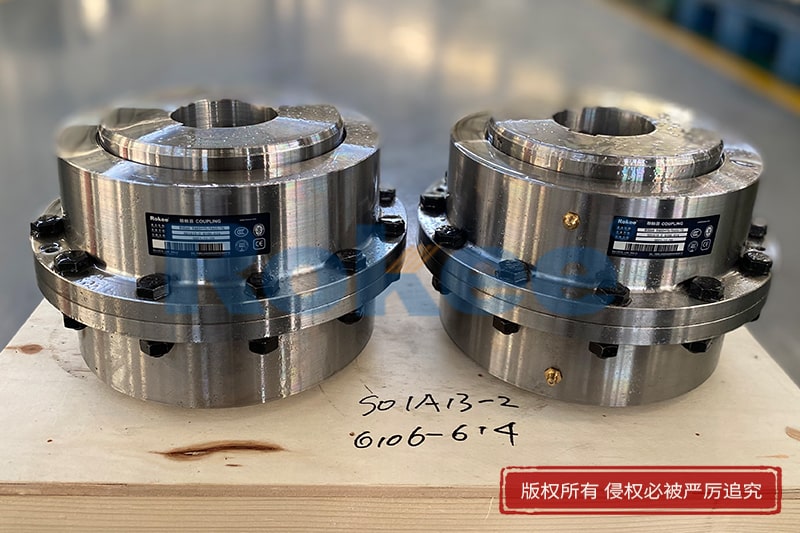
As an indispensable core transmission component of forklift power systems, the forklift coupling undertakes the key task of connecting discrete power units and realizing efficient torque transmission throughout the equipment’s operation cycle. It serves as a flexible transmission bridge between the power output end and the load driving end, effectively coordinating the operating state of the entire power system while ensuring the stable and continuous output of mechanical power. In complex and variable industrial operation scenarios, forklifts often face frequent start-stop actions, sudden load changes, and uneven ground vibration impacts, all of which put forward extremely high requirements on the adaptability, stability and durability of the coupling. Unlike rigid connecting parts that simply fix mechanical structures, the forklift coupling integrates flexible compensation, vibration buffering and impact resistance functions, which can well resolve the mechanical stress and transmission deviation generated during the operation of forklift equipment, and fundamentally improve the overall operating reliability of the forklift drivetrain.

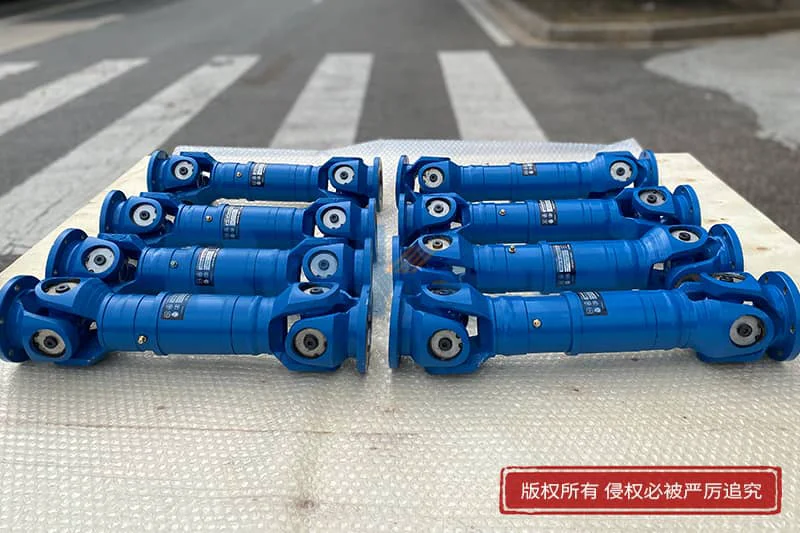

The basic working logic of forklift coupling centers on synchronous power transmission and dynamic deviation compensation. In the daily operation of forklifts, the engine or motor outputs rotational power, which is transmitted to the transmission, drive axle and walking mechanism in turn through the coupling, thereby converting rotational torque into the walking and loading power of the equipment. During this process, due to installation errors in mechanical assembly, thermal deformation of parts caused by long-term high-load operation, and slight displacement of mechanical structures caused by equipment vibration, the driving shaft and driven shaft of the power system often produce different degrees of offset and angle deviation. If rigid connection is adopted, these deviations will generate huge additional mechanical stress, leading to accelerated wear of shaft parts, bearing damage, and even abnormal vibration and noise of the whole machine. The forklift coupling relies on its unique structural design and elastic matching characteristics to effectively absorb and compensate for axial, radial and angular deviations between shafts, ensuring that the power transmission process remains smooth and stable even when the mechanical structure has slight displacement changes.
The internal structure of a conventional forklift coupling presents a symmetrical and collaborative mechanical layout, mainly composed of two sets of fork-shaped connecting structures, intermediate elastic force-transmitting components and auxiliary fastening and buffer accessories. The two fork-shaped connecting bodies are respectively fixed and installed on the end parts of the driving shaft and the driven shaft through reliable mechanical fastening structures, forming the basic connecting frame of the entire transmission system. The intermediate elastic components are the core functional units of the coupling, which undertake the dual tasks of torque transmission and vibration buffering. When the driving shaft rotates, the fork-shaped structure drives the elastic components to move synchronously, and the elastic components further transmit uniform torque to the driven shaft, realizing the synchronous operation of the two shaft systems. The elastic materials used in the core parts have excellent toughness and fatigue resistance, which can effectively buffer the instantaneous impact load generated during forklift starting, braking and load lifting, avoid rigid collision between metal structures, and reduce the vibration amplitude of the power transmission system during high-speed operation.
Different from common industrial couplings, forklift couplings are specially optimized for the frequent variable-load working characteristics of storage and handling equipment. Forklift operation has obvious intermittent and fluctuating characteristics: frequent start and stop will produce instantaneous peak torque, sudden lifting of heavy loads will bring impact pressure to the transmission system, and low-speed heavy-duty walking will keep the coupling in a long-term stress state. In view of these working conditions, the structural design of forklift couplings abandons the single rigid transmission mode and adopts a flexible integration scheme combining mechanical limit and elastic buffer. This design not only ensures high-efficiency torque transmission under normal operating conditions, but also provides effective stress release and energy absorption when the load changes suddenly, avoiding instantaneous overload damage to the power system components. At the same time, the overall structural compactness of the coupling is highly adapted to the narrow installation space of forklift chassis and power cabins, realizing miniaturization and high-performance integration without occupying excessive equipment space.
The excellent working performance of forklift couplings is directly reflected in the operating stability and service life of the whole equipment. In the actual handling process, a well-functioning coupling can keep the power transmission loss at a low level, ensure that the power output of the power unit is fully converted into the walking and loading capacity of the forklift, and avoid power waste caused by transmission lag and structural slippage. More importantly, the vibration and impact buffering function of the coupling can effectively protect key core components such as engines, motors, transmissions and bearings. Long-term unbuffered mechanical vibration will cause loose assembly gaps, accelerated metal fatigue and precision deviation of transmission parts, while the elastic buffer system of the coupling can absorb most of the operating vibration, reduce the fatigue loss of the entire drivetrain, and significantly extend the overall service cycle of forklift power system components. In addition, the deviation compensation capability of the coupling can avoid local stress concentration caused by shaft misalignment, prevent abnormal wear of shaft heads and bearings, and reduce the failure rate of equipment during continuous operation.
Despite its simple and compact overall structure, the forklift coupling is prone to various performance degradation and failure problems after long-term high-intensity operation, most of which are derived from fatigue loss, environmental erosion and improper use and maintenance. The most common aging phenomenon is the fatigue deformation and wear of internal elastic components. After millions of times of impact and vibration cycles, the elastic materials will gradually lose their original toughness, produce permanent deformation, cracking and abrasion, resulting in weakened buffer performance and reduced deviation compensation ability. At this time, the forklift will show abnormal vibration during operation, obvious noise in the power transmission part, and even slight jitter during starting and acceleration. Another common failure is the loose fastening structure caused by long-term vibration. The continuous operating vibration of the equipment will gradually loosen the connecting fasteners of the coupling, leading to displacement of the fork-shaped connecting body, inaccurate meshing of transmission parts, and further causing transmission inefficiency and local stress overload.
Operating environment pollution is also an important factor affecting the service life of forklift couplings. Forklifts mostly work in indoor warehouses, outdoor freight yards and factory production workshops, where there are inevitably dust, metal debris, oil stains and humid air. These pollutants will adhere to the surface and internal gaps of the coupling for a long time, abrasive wear will be formed between the moving parts with the operation of the equipment, and humid environment will cause slight oxidation and corrosion of metal structural parts, damaging the structural precision and transmission stability of the coupling. In addition, irregular operation habits such as sudden start, sudden brake and overload operation of forklifts will bring excessive instantaneous load to the coupling, exceed the elastic buffer limit of the component, accelerate the aging and damage of internal structures, and greatly shorten the service life of the coupling.
Scientific and standardized daily maintenance is the key to maintain the stable performance of forklift couplings and extend their service life. Daily inspection work should focus on the operating state of the coupling during equipment operation, including observing whether there is abnormal vibration and noise in the power transmission part, checking whether there is oil leakage and debris accumulation on the coupling surface, and confirming whether the equipment has power transmission lag during starting and loading. Regular disassembly and inspection should be carried out in combination with the equipment maintenance cycle to comprehensively check the wear degree of elastic components, the tightness of connecting fasteners and the deformation state of fork-shaped structures. For elastic parts with slight aging and wear, targeted replacement should be carried out in a timely manner to avoid continued use of defective parts leading to expanded equipment failures. For loose fastening structures, standardized tightening and fixing should be carried out to ensure the accurate assembly position and stable meshing state of all components of the coupling.
Lubrication maintenance is also a crucial link in the daily maintenance of forklift couplings. Appropriate lubrication treatment can reduce the friction loss between moving parts of the coupling, avoid dry wear of metal contact surfaces, and at the same time form a protective oil film on the component surface to isolate dust, moisture and corrosive substances in the external environment. In the lubrication operation, it is necessary to select matching lubricating materials according to the structural characteristics and operating environment of the coupling, and control the lubrication cycle and dosage reasonably. Excessive lubrication will cause dust and debris adhesion, resulting in increased internal friction, while insufficient lubrication will fail to form an effective protective layer and reduce the anti-wear and anti-corrosion effect. After lubrication, the residual lubricant on the surface should be cleaned in time to keep the external structure of the coupling clean and tidy.
In the process of forklift coupling selection and matching, it is necessary to fully combine the equipment power parameters, conventional operating load and working scenario characteristics to carry out targeted selection. The core selection principle is to ensure that the torque bearing capacity, elastic buffer performance and deviation compensation range of the coupling can match the actual operating demand of the forklift. For forklifts that often work with heavy loads and face frequent load changes, priority should be given to couplings with high torque resistance, strong fatigue resistance and excellent impact buffering performance to adapt to long-term high-intensity operating conditions. For light-duty forklifts used for conventional short-distance handling, compact and flexible couplings with stable basic transmission performance can be selected to meet daily operating needs while controlling equipment operating costs. At the same time, the structural matching degree between the coupling and the forklift power shaft should be fully considered to ensure accurate assembly and stable connection, avoid installation deviation caused by mismatched models, and eliminate potential hidden dangers of subsequent operation failures.
With the continuous upgrading of industrial handling efficiency and the continuous improvement of equipment reliability requirements, the performance optimization of forklift couplings has also been continuously promoted. Modern forklift coupling design pays more attention to the integration of high efficiency, durability and environmental adaptability. Through the optimization of internal structure layout and the upgrading of elastic core materials, the transmission efficiency and fatigue resistance of the coupling are further improved, the volume and weight of the components are reduced, and the overall power density is increased. At the same time, the new generation of forklift couplings has stronger environmental adaptability, can maintain stable working performance in high dust, high humidity and variable temperature working environments, and reduce the impact of external environmental factors on component life. In addition, the optimized structural design simplifies the disassembly, assembly and maintenance process of the coupling, reduces the difficulty and time cost of equipment maintenance, and improves the overall operation and maintenance efficiency of forklift equipment.
In the entire forklift power transmission system, the seemingly inconspicuous coupling undertakes the vital role of connecting the whole transmission link, and its working state directly determines the operating efficiency, stability and failure rate of the entire equipment. Many conventional forklift operating failures such as weak power output, jitter during walking, abnormal chassis noise and accelerated wear of transmission parts are essentially caused by abnormal performance of the coupling. Therefore, full attention should be paid to the selection, use and daily maintenance of forklift couplings in actual equipment management. Through scientific selection and matching, standardized operation and meticulous daily maintenance, the stable performance of the coupling can be fully exerted, the efficient and safe operation of forklift equipment can be guaranteed, the service life of mechanical parts can be extended, and the operating and maintenance cost of industrial handling equipment can be effectively reduced. As a key basic component of forklifts, the continuous performance optimization and reliable operation of couplings will always provide solid technical support for the efficient and stable development of industrial logistics and handling work.
« Forklift Couplings » Update Date: 2026/7/17
Contact
If you require custom machined couplings, please contact Rokee via the contact information below for inquiries.
Email: https://www.gshmdpq.com
 WeChat