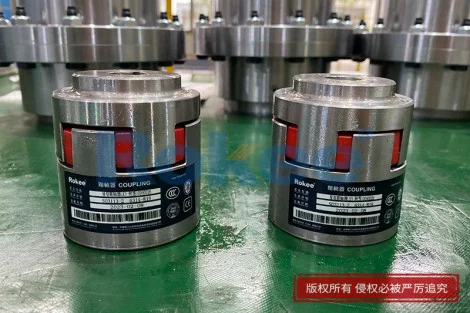
Safety Couplings
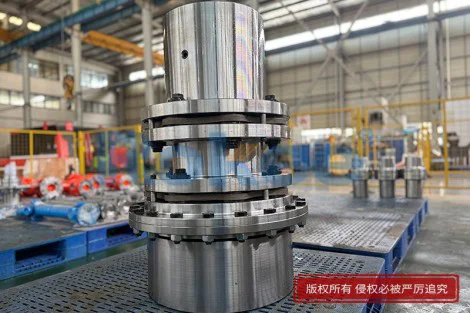
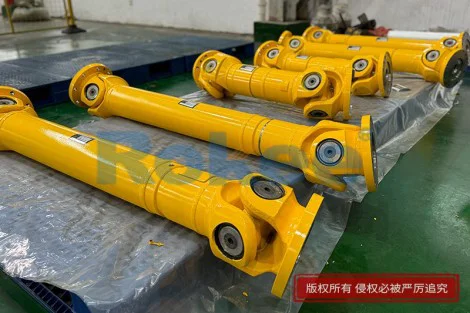
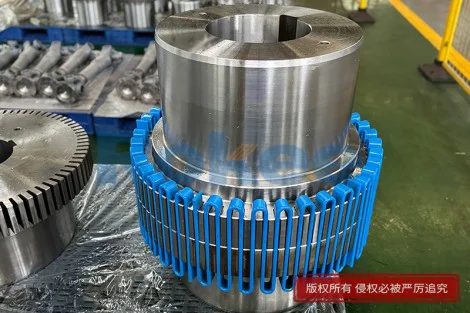
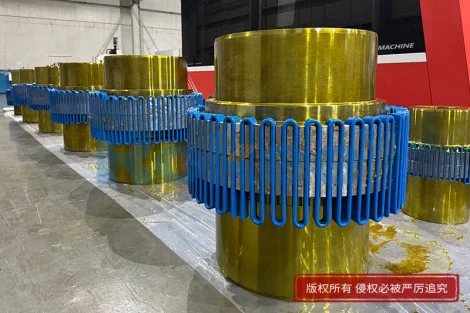
Rokee is a manufacturer of safety couplings from china, we can provide non-standard custom safety couplings based on parameters or drawings supplied by customers, with export support available.
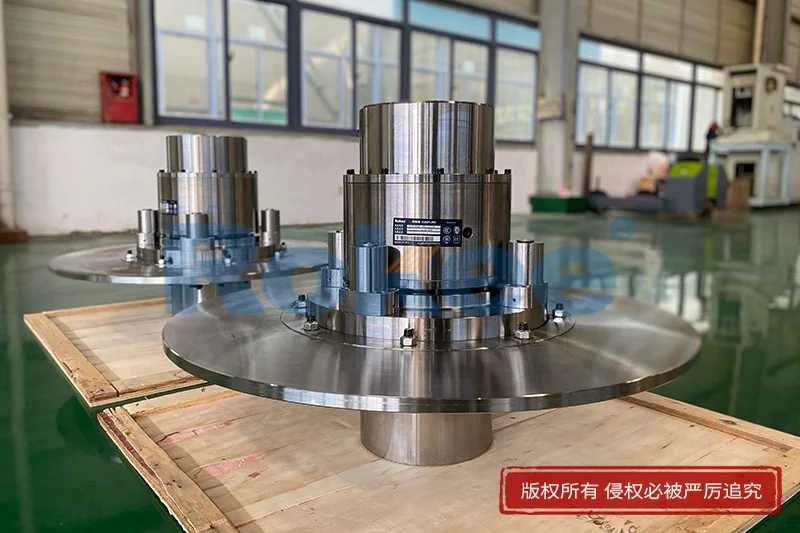
In the complex and interconnected operating environment of modern industrial machinery, the stability and safety of power transmission systems stand as the cornerstone of continuous production and operational reliability. Every mechanical transmission chain, whether involved in precision automated processing, heavy-duty material handling, or high-speed cyclic operation, faces inevitable risks of sudden load fluctuations, mechanical jams, and operational overloads. These abnormal working conditions can generate instantaneous torque surges that far exceed the rated bearing capacity of core equipment, leading to irreversible damage to drive motors, reduction gearboxes, transmission shafts, and executive components. In severe cases, such failures may trigger equipment shutdowns, production stagnation, and even potential safety hazards for on-site operators. As a core protective mechanical component embedded in the transmission chain, the safety coupling has become an indispensable safety barrier for modern industrial mechanical systems, serving as a reliable mechanical fuse that balances efficient power transmission and active overload protection throughout the entire operational cycle of mechanical equipment.
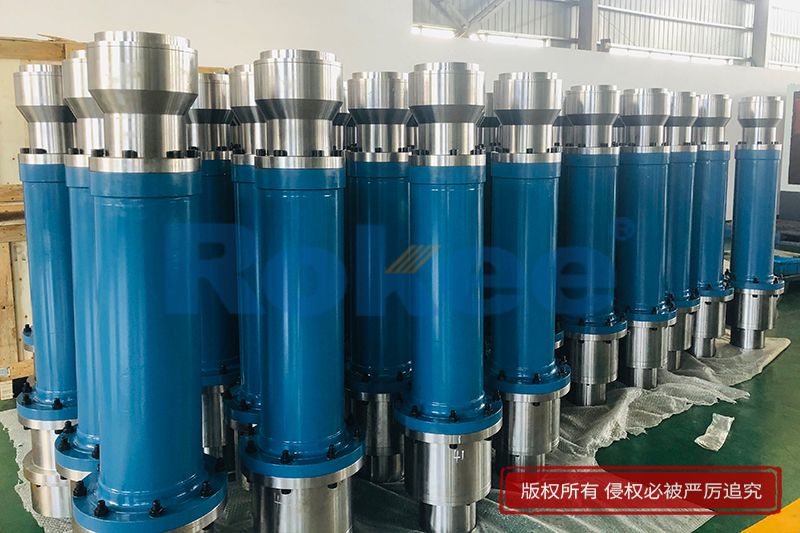
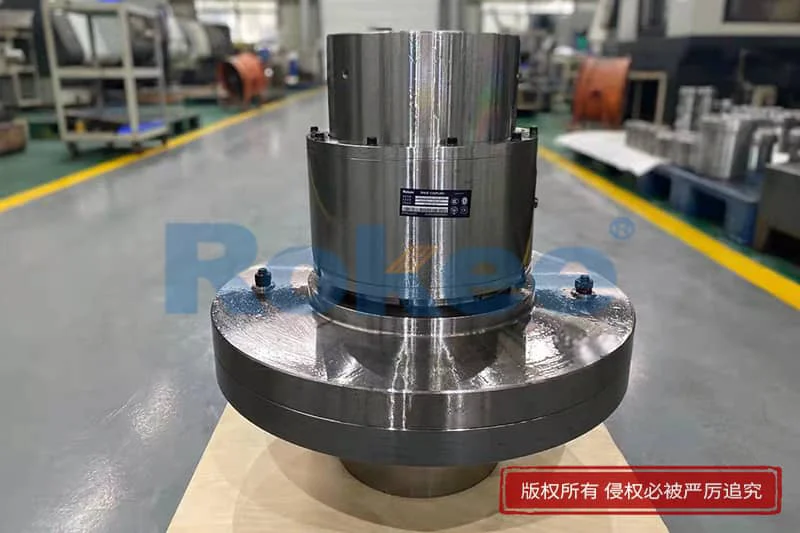

Essentially, a safety coupling is a specialized transmission component that integrates conventional power transmission functions and intelligent overload protection mechanisms. Unlike ordinary couplings that only undertake the basic tasks of connecting transmission shafts, compensating for shaft misalignment, and transmitting torque and rotational speed, safety couplings are designed with a precise threshold-based mechanical triggering structure. Under standard rated operating conditions, the component operates stably just like conventional transmission parts, ensuring efficient and consistent transfer of power and motion between the driving end and the driven end of the mechanical system. Once the system encounters unexpected overload, mechanical collision, or operational jamming that causes the transmission torque to exceed the preset safe threshold, the internal mechanical structure of the safety coupling will respond instantly, cutting off the power transmission connection within milliseconds. This rapid disconnection effectively isolates the overload impact from spreading to the entire transmission chain, protecting high-value core equipment from impact damage and avoiding systemic mechanical failures caused by local abnormal loads.
The working mechanism of safety couplings is rooted in mature mechanical dynamics principles, with mainstream structural designs achieving precise overload protection through calibrated force balance systems. The most widely adopted ball-detent structure relies on the precise matching of preloaded elastic components and rigid positioning rolling elements. In normal operation, the spring preload provides stable pressure to fix steel balls in precise positioning grooves, forming a rigid and backlash-free transmission structure that ensures accurate and efficient torque transmission. When an overload occurs, the excessive tangential torque generates axial component force that breaks the original force balance. Once this axial force surpasses the preset spring preload, the steel balls are pushed out of the positioning grooves instantly, causing the driving and driven parts of the coupling to separate rapidly and terminate power transmission immediately. Another common friction-based structure uses calibrated friction pressure between friction plates to transmit torque. Under rated loads, the static friction force maintains stable power transfer; when overload torque exceeds the maximum friction force, relative sliding occurs between the friction pairs, limiting the output torque and buffering the impact of sudden loads on downstream equipment. In addition, shear-type safety structures utilize preset weak mechanical links, which fracture timely under excessive load to cut off the transmission path, providing thorough protection for mechanical systems in extreme working conditions.
The unique structural and functional advantages of safety couplings make them far superior to traditional electronic protection systems in industrial overload protection scenarios. Electronic overload protection devices typically rely on sensor signal collection, data analysis, and program-controlled shutdown responses, which inevitably have a certain response delay. In high-speed operating mechanical systems, instantaneous torque surges can cause structural damage to equipment within a few milliseconds, before electronic systems complete judgment and response. In contrast, the fully mechanical protection mode of safety couplings realizes real-time trigger response through physical force changes, with no signal delay or program execution lag. The millisecond-level disconnection speed can intercept overload impacts at the first time, achieving zero-delay mechanical protection. Moreover, mechanical safety couplings feature excellent environmental adaptability and operational stability. They can work stably in extreme industrial environments with high temperature, low temperature, high dust, humidity, and electromagnetic interference, where precision electronic sensors and control systems are prone to signal distortion, failure, or misjudgment. Without relying on power supply, signal transmission, or program support, safety couplings maintain consistent and reliable protection performance in various harsh working conditions, avoiding protection failure caused by external environmental interference.
In addition to immediate overload protection, safety couplings bring long-term operational value to industrial mechanical systems through multiple implicit functional advantages. Most precision safety coupling products adopt backlash-free structural design, which eliminates the clearance between transmission parts during forward and reverse operation. This feature is particularly critical for precision processing equipment and automated positioning systems, effectively avoiding positioning errors and operational vibration caused by transmission backlash, improving the operating accuracy and stability of mechanical equipment. At the same time, the flexible structural design of safety couplings can compensate for minor axial, radial, and angular misalignment between connecting shafts generated by equipment installation errors, mechanical vibration, and operational deformation. This misalignment compensation function reduces additional stress and friction loss in the transmission process, lowers equipment operating noise and vibration, and extends the overall service life of the transmission system. For cyclic operating equipment with frequent start-stop and forward-reverse switching, safety couplings can buffer instantaneous impact loads during startup and shutdown, reducing fatigue wear of transmission components and improving the continuous operation stability of the equipment.
Safety couplings cover a wide range of industrial application scenarios, penetrating almost all fields involving mechanical power transmission. In automated packaging and filling systems, mechanical jams often occur due to irregular material feeding, packaging material deviation, or equipment positioning errors. Without effective protection, such jams will instantly generate huge torque impacts, damaging precision transmission gears, servo motors, and conveyor structures. The embedded safety coupling can cut off power transmission immediately when jamming occurs, avoiding equipment damage and reducing downtime maintenance frequency. In heavy-duty material conveying equipment such as belt conveyors and screw conveyors, sudden material blockage, overload feeding, or mechanical stuck failure are common operational risks. Safety couplings can effectively isolate overload impacts, protecting drive systems and conveying structures from damage and ensuring the safe operation of bulk material conveying lines.
In precision machining and machine tool industry scenarios, the operational accuracy and structural stability of equipment directly determine product processing quality and production yield. Sudden tool collision, workpiece clamping deviation, or abnormal spindle operation will produce instantaneous overload torque. The rapid disconnection of safety couplings can avoid irreversible deformation and damage to precision spindles, bearings, and transmission structures, maintaining the precision stability of machine tool equipment and reducing processing scrap rates caused by equipment failure. In test bench equipment used for product performance testing, various extreme load tests may generate unpredictable torque fluctuations and impact loads. Safety couplings serve as a key protective barrier for test equipment and test samples, preventing equipment damage and test data failure caused by extreme overloads, and ensuring the safety and accuracy of performance test experiments.
In process industries such as chemical, pharmaceutical, and new energy manufacturing, mechanical equipment needs to operate continuously for a long time with high requirements for operational safety and stability. Sudden equipment failure will not only cause production shutdown losses but also may trigger safety accidents in continuous process production lines. Safety couplings provide all-weather stable overload protection for stirring equipment, pumping equipment, and transmission machinery in process production lines, avoiding equipment damage and production interruption caused by accidental overloads. In addition, in mobile mechanical equipment and engineering machinery, safety couplings can buffer impact loads during operation and walking, protecting the transmission system from damage caused by uneven road surfaces and sudden load changes, improving the service life and operational reliability of engineering equipment.
Scientific and reasonable selection and calibration are the prerequisites for safety couplings to exert optimal protective performance. The core selection principle is to match the preset torque threshold with the mechanical performance parameters of the entire equipment system. The protection threshold must be slightly higher than the maximum rated operating torque of the equipment to avoid frequent mis-triggering caused by normal load fluctuations and ensure the continuity of normal production operations. Meanwhile, the threshold must be significantly lower than the minimum failure torque of the weakest and most valuable components in the transmission chain, ensuring that the safety coupling triggers protection before key equipment is damaged. In practical selection, it is also necessary to comprehensively consider the equipment's operating speed, load fluctuation frequency, working environment, and transmission accuracy requirements. For high-speed precision equipment, backlash-free ball-detent safety couplings with high response accuracy and stable performance should be prioritized; for heavy-duty low-speed equipment with frequent load fluctuations, friction safety couplings with good buffering performance and repeated use characteristics are more suitable; for extreme working conditions with fixed limit load requirements, shear-type safety couplings with thorough protection effects can be selected.
The economic value of safety couplings in industrial production is reflected in long-term cost control and operational efficiency improvement. Although the installation of safety couplings increases the initial equipment configuration investment, it can effectively avoid high-cost losses caused by equipment failure. The damage of core transmission equipment often involves expensive parts replacement, complex maintenance construction, and long-term production shutdown losses. In contrast, the maintenance cost of safety couplings after triggering protection is extremely low. Most precision safety coupling structures can automatically reset or be manually reset quickly after overload removal, enabling rapid equipment restart and minimizing production downtime. Even for disposable shear-type structures, the replacement cost of internal weak parts is far lower than the maintenance cost of core equipment. At the same time, the stable protection function of safety couplings reduces the fatigue loss of mechanical equipment, extends the overall service life of equipment, and reduces the frequency of equipment overhaul and replacement, bringing sustained economic benefits for enterprise production and operation.
With the continuous upgrading of modern industrial manufacturing towards high precision, high efficiency, and high intelligence, the performance requirements for safety couplings are also constantly improving. Traditional safety coupling products are gradually optimizing in structural design, realizing smaller size, higher torque density, higher precision threshold control, and longer service life. Modern safety coupling designs pay more attention to integration and versatility, which can adapt to more complex transmission structures and diverse working conditions. In addition, with the development of intelligent industrial systems, safety coupling technology is also evolving towards intelligent monitoring. Combined with mechanical sensing technology, it can realize real-time feedback of overload trigger status, working torque changes, and equipment operation abnormalities, providing data support for equipment predictive maintenance and intelligent production management.
In the entire mechanical transmission system, the safety coupling is a small but vital core component. It undertakes the dual missions of ensuring efficient power transmission and preventing mechanical failure risks, making up for the deficiencies of electronic protection systems in response speed and environmental adaptability, and building a solid and reliable mechanical safety barrier for industrial equipment. In the face of complex and changeable industrial working conditions and increasingly stringent production safety and efficiency requirements, safety couplings will always maintain irreplaceable application value. It is not only a key component to protect mechanical equipment and reduce production losses, but also an important basic guarantee for the stable operation, safe production, and efficient development of modern industrial manufacturing systems. With the continuous progress of mechanical design and manufacturing technology, safety couplings will continue to iterate and upgrade, providing more precise, stable, and intelligent protection for various industrial mechanical transmission scenarios, and empowering the high-quality development of modern industrial manufacturing.
« Safety Couplings » Update Date: 2026/7/16
Contact
If you require custom machined couplings, please contact Rokee via the contact information below for inquiries.
Email: https://www.gshmdpq.com
 WeChat